Automatic door maintenance is an essential requirement for facilities such as hospitals, airports, shopping malls, and Grade A office buildings. Regular maintenance helps ensure stable and safe operation, minimizes operational incidents, and extends the service life of the system. In practice, many issues such as abnormal noise, inaccurate opening and closing, or reduced operating speed are caused by improper or insufficient maintenance. For investors, building management units, and technical personnel, understanding the maintenance process not only helps prolong equipment lifespan but also reduces operational risks and ensures user safety. In this article, we provide a comprehensive analysis of the core aspects of automatic door maintenance, from fundamental principles and inspection items to practical procedures in accordance with technical standards.
What is automatic door maintenance?
Before going into technical details, it is important to clearly distinguish between two commonly confused concepts: maintenance and repair.
Definition of automatic door maintenance
Automatic door maintenance is a set of preventive activities that include inspection, cleaning, lubrication, adjustment, and scheduled replacement of worn components such as motors, sensors, guide rails, belts, and related parts. The main objective of maintenance is to ensure smooth, safe, and stable operation, extend the lifespan of the equipment, prevent failures, and reduce unexpected repair costs. These tasks can be performed at a basic level by the operating unit or at a more advanced level by professional technicians.
In contrast, automatic door repair is a corrective activity carried out after the door has stopped operating or encountered a serious malfunction. A proper maintenance procedure helps avoid costly emergency repairs and prevents disruption to pedestrian traffic.

Why is periodic automatic door maintenance necessary?
Automatic doors require regular maintenance because they are not simple mechanical doors but integrated systems combining mechanical and electronic components that operate at very high frequencies every day. Mechanical parts such as guide rails, rollers, and drive belts are constantly subject to friction, while motors, controllers, and sensors must operate accurately in environments affected by dust, humidity, and temperature fluctuations. Even a thin layer of dust on the guide rail or a loose drive belt can increase the load on the motor, resulting in unstable operation and potentially serious damage to the control system. Therefore, periodic maintenance is essential to prevent failures and ensure safe, durable performance.
Key items in the automatic door maintenance process
Mechanical components
Mechanical components are directly affected by frequent opening and closing cycles. Maintenance items include guide rails, rollers, hinges, and door seals. Maintenance work involves cleaning dust and debris, applying appropriate lubricants, checking wear, and adjusting door alignment to ensure smooth operation.
Electrical system and controller
The motor, central controller, and backup power supply must be inspected regularly to ensure stable signals with no delay or disconnection. These components function as the “brain” of the automatic door system, and any malfunction can cause the entire system to stop operating.
Sensor and safety system
Sensors for detecting people and obstacles play a critical role in operational safety. Maintenance includes checking detection zones, sensitivity, limit switches, emergency buttons, and interlocking with fire alarm or access control systems. For automatic doors integrated with fire protection systems, it is also necessary to verify signal connection with the building’s fire alarm system to ensure the doors fully open in the event of a fire alarm.
Other accessories
Accessories such as remote controls, control panels, backup batteries, and connection cables also require regular inspection and cleaning. In addition, glass surfaces and door panels should be cleaned and protected against corrosion to maintain long-term aesthetics.
Regular maintenance helps the system operate smoothly and reliably while extending equipment lifespan. Compared to the cost of repairing or replacing the entire system, maintenance costs are significantly lower. Moreover, maintenance improves user safety, reduces collision risks caused by sensor errors, and ensures compliance with technical standards and manufacturer warranty requirements. For large-scale projects, it is also a key factor in ensuring stable integration with building fire alarm and security systems.

When should automatic doors be maintained and how to identify warning signs
Maintenance frequency depends on manufacturer recommendations (such as NABCO) and actual usage intensity. Periodic maintenance not only ensures stable operation but also helps detect abnormalities early for timely corrective action.
Specifically, in high-traffic areas such as airports, hospitals, and shopping malls, automatic doors should be maintained every 1–2 months. For offices and commercial buildings, an appropriate interval is 3–4 months. Low-traffic areas may be maintained every 6 months.
In addition to scheduled maintenance, automatic doors should be inspected immediately if warning signs appear, such as unusual noise or vibration during operation, slow or uneven opening and closing speed, inaccurate sensor detection, error indicators on the controller, or intermittent power loss. These are clear signs that the system is deteriorating or operating outside proper technical parameters.
It is also advisable to carry out maintenance before the rainy season or peak hot periods to reduce environmental impact on mechanical and electronic components. Keeping detailed maintenance logs helps management units track technical history, assess equipment condition, and develop more effective long-term maintenance plans
Japanese-standard automatic door maintenance procedure
Step 1: Overall operational inspection
Observe door opening and closing, check whether sensors accurately detect obstacles, listen for noise or vibration, and verify power supply stability.
Step 2: Opening the automatic door technical housing
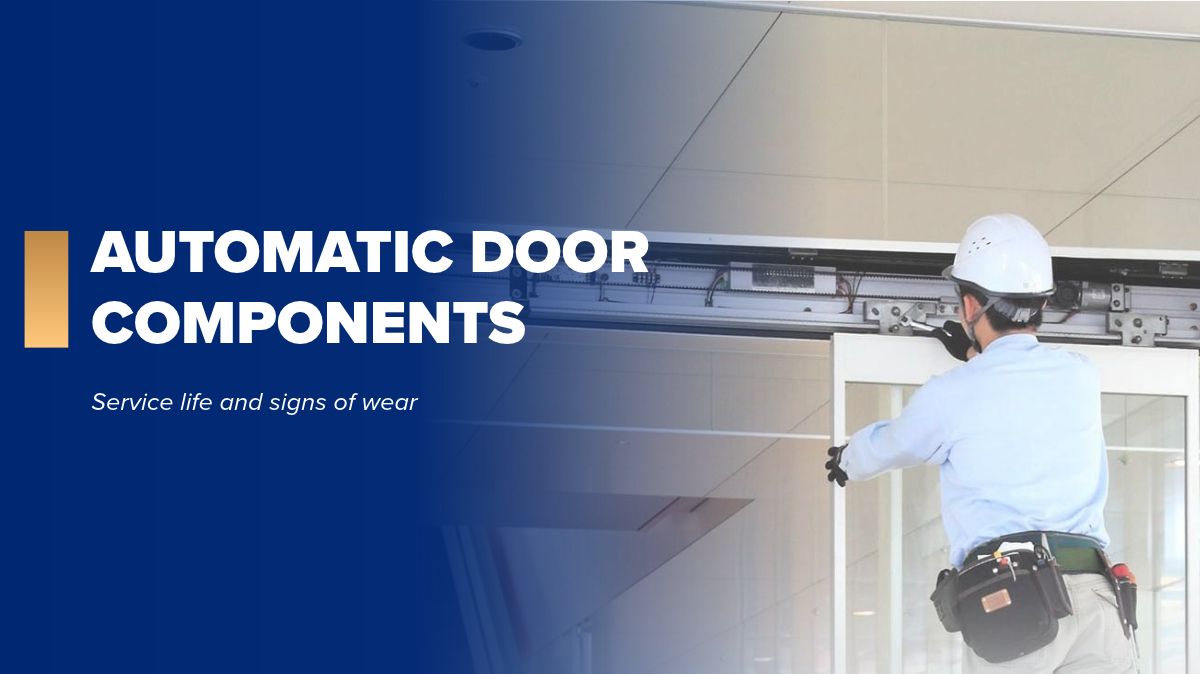
Disconnect sensors and remove the technical housing cover (aluminum, stainless steel, Alumin, etc.) to access the motor, control board, and internal transmission system.

Step 3: Electrical system and wiring inspection
Check power supply to the motor and control board; inspect power and signal cables and connection points to ensure there are no loose, broken, or misrouted wires interfering with the guide rail.
Step 4: Transmission system inspection
Inspect drive belts, load pulleys, and idle pulleys; assess wear and misalignment; adjust belt tension to ensure stable operation at the correct speed.
Step 5: Guide rail and roller inspection
Manually slide the door to check smooth movement; identify worn rails, damaged rollers, or mechanical obstructions for timely repair or replacement.
Step 6: Cleaning and mechanical lubrication
Clean rails, rollers, hinges, and moving parts; apply suitable technical lubricants to reduce friction and noise.
Step 7: Adjustment, testing, and completion
Reconfigure opening and closing speed and sensor sensitivity; power on and test the entire system; perform final inspection before reinstalling the housing cover and handing over.

Choosing a reliable automatic door maintenance provider
A professional maintenance provider should have experienced technicians, use genuine spare parts, follow a clear inspection process, and provide timely technical support. Selecting the right maintenance partner helps reduce failure risks and save long-term costs.
Criteria for a reliable provider:
- Skilled technical team: Certified and trained by major manufacturers (such as NABCO).
- Available spare parts: Genuine components in stock for immediate replacement, minimizing downtime.
- Clear reporting process: Maintenance logs detailing equipment condition before and after service.
- 24/7 emergency support: Especially critical for hospitals and hotels.
Sonha Auto is proud to be a leading provider of automatic door maintenance solutions in Vietnam, meeting international standards. With a nationwide dealer network and engineers professionally trained in Japan, we are committed to delivering complete peace of mind for every project.
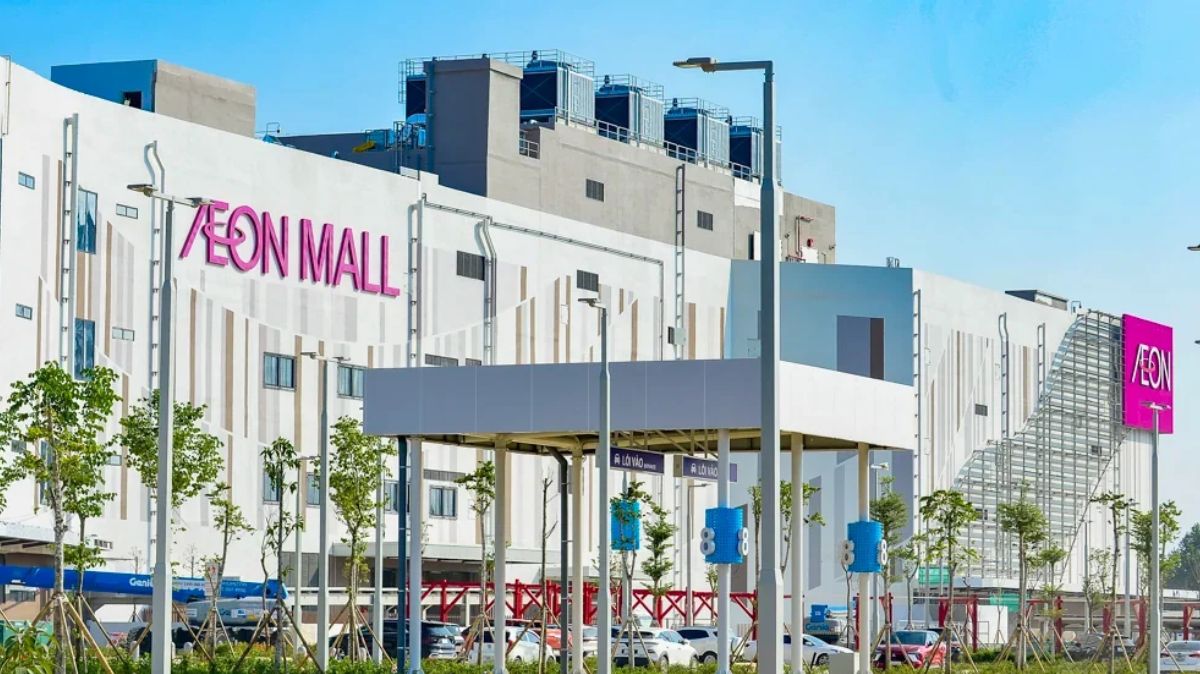
>>> See more: Completion of maintenance for the NABCO automatic door system at Aeon Mall Long Bien
Conclusion
Automatic door maintenance is a key factor in ensuring safe, stable, and long-lasting system operation. Investors and facility management units should proactively establish periodic maintenance plans, especially for NABCO automatic sliding door systems and modern entrance solutions, to maintain operational efficiency and the professional image of their buildings.