In an automatic glass door system, many people usually pay attention to the motor, sensors, or the door panels. However, few realize that the most important component is actually the control board. This device allows the entire door system to operate accurately and stably. The control board is responsible for receiving signals, processing data, and controlling other components to operate according to the correct sequence. Therefore, when researching or selecting an automatic door solution for a building project, understanding what is an automatic door control board helps investors and contractors properly evaluate the quality and operational capability of the door system.
What is an automatic door control board?
The concept of a control board in automatic door systems
An automatic door control board is an electronic circuit board designed to control the entire operation of an automatic door system. In many technical documents, this device is also referred to as an automatic door controller board or automatic door control circuit. The controller board plays a central role in connecting and coordinating the operation of various components such as sensors, motors, electric locks, and auxiliary control devices.
When the system receives a signal from a sensor detecting a person or obstacle, the control board analyzes the data and sends commands to the motor to perform the opening or closing action. As a result, the entire door system can operate automatically and accurately without direct user intervention.

How does an automatic door controller board work?
In real operation, the automatic door controller board functions as a signal processing center. When a sensor detects a person approaching the door, the signal is transmitted to the control board through the connection wiring system.
At this point, the processor on the board analyzes the received signal to determine the next action. If the signal is valid, the board sends a command to the motor to activate the drive mechanism, allowing the door to open. After the person passes through and the sensor no longer detects movement, the control board processes the signal again and commands the door to close.
This entire process occurs very quickly, allowing the automatic door system to operate smoothly and conveniently for users.
Why the control board is considered the “brain” of the door system?
In the structure of an automatic glass door system, all important devices must be connected to the automatic door control board. For this reason, the controller board is often considered the “brain” of the entire system.
This device not only receives signals from sensors but also manages motor operations, controls door opening and closing speeds, and ensures safety functions. If the controller board fails, other components even if they are still functioning normally cannot coordinate correctly with each other.
For this reason, in high-quality automatic door systems, the control board is always designed with very high stability and durability.
The role of the control board in automatic door systems
Receiving and processing signals from sensors
One of the most important tasks of the automatic door control board is to receive signals from sensors installed on the door system.
These sensors may include motion sensors detecting approaching people, safety sensors detecting obstacles, or control devices used to switch operating modes. When a signal is received, the control board analyzes the data and determines the appropriate action, ensuring the door responds at the correct moment.
Thanks to this mechanism, the door can automatically open when someone approaches and close again once the passageway is clear.
Controlling the motor for door opening and closing
After processing signals from the sensors, the automatic door control circuit sends commands to the motor to perform the opening or closing operation.
The motor is the component that generates the force needed for the door panels to move along the sliding rail system. However, the opening and closing speed as well as the operating timing of the motor are all controlled by the control board. This ensures that the door operates smoothly and reliably even when there is heavy pedestrian traffic.
Managing door operating modes
In addition to controlling door movement, the automatic door controller also manages various operating modes of the door system.
Depending on the building’s requirements, the door can be configured in several modes such as fully automatic mode, hold-open mode, or one-way traffic mode. Switching between these modes is handled through the control board, allowing the door system to flexibly adapt to different operational situations.
Ensuring safe and stable door operation
Besides control functions, the automatic door control board also plays an essential role in maintaining safety.
Through safety sensors, the board can detect obstacles in the door’s opening and closing area and immediately adjust the motor’s operation. This helps reduce the risk of collisions and protects users passing through the door.
At the same time, the control board stabilizes the system’s operation, preventing irregular opening and closing behavior or system overload.
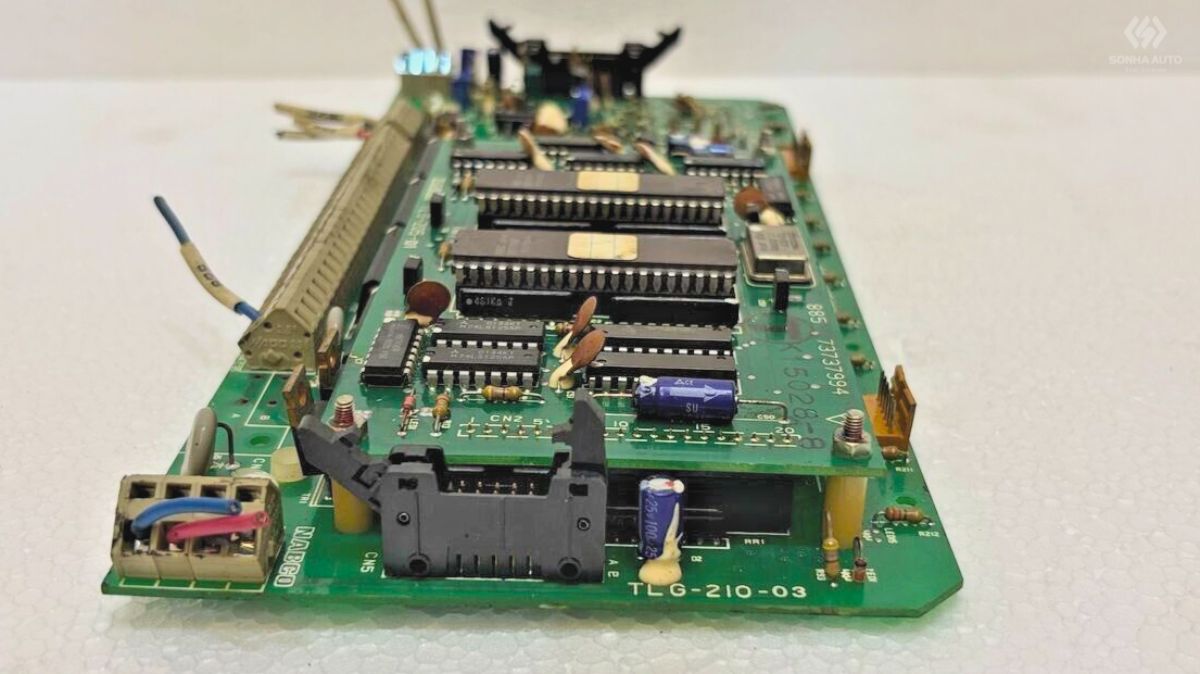
Structure of an automatic door control board
Central control circuit
In an automatic door board, the most important component is the central processing unit (CPU). This component is responsible for receiving and processing all signals from connected devices.
The CPU analyzes incoming data and issues appropriate commands so that the motor and other components operate according to the correct sequence.
Sensor and peripheral connection ports
Automatic door controller boards typically include multiple connection ports to link with various components within the door system.
These ports allow connections to sensors, motors, remote controllers, and other safety devices. Thanks to this connection system, the entire door system can operate synchronously and accurately.
Power supply and system protection
Some modern automatic door control boards also integrate power supply modules and protective circuits to ensure stable operation.
These protection circuits help reduce risks such as overload, electrical short circuits, or voltage fluctuations, thereby improving the durability of the entire system.
Motor control module
In addition to the central processor, the automatic door control board also includes dedicated modules for controlling the motor.
These modules regulate the door opening and closing speed, control the motor’s pulling force, and ensure the door moves smoothly during operation.
Operating principle of an automatic door control board
To fully understand what is an automatic door control board, it is necessary to examine how the device receives and processes signals during the operation of an automatic door system.
Essentially, the control board acts as the central processing unit that connects devices such as sensors, motors, and drive systems, allowing the door to open and close at the appropriate time.
The control board receives signals from sensors
When a sensor detects movement in front of the door, the signal is sent to the automatic door control board. The board receives this data through its connection ports and forwards the signal to the central processor.
Signal processing and motor activation
After receiving the signal, the automatic door control circuit analyzes the data to determine the next action.
If the signal is valid, the board sends a command to the motor to activate the drive system and open the door. This process occurs almost instantly, allowing the door to respond quickly when someone approaches.
Door closing mechanism after a person passes through
After a person passes through the doorway, the system keeps the door open for a short period.
If no further movement is detected, the automatic door control board instructs the motor to close the door again. This mechanism ensures that the passage remains convenient while maintaining automation and safety for the door system.

Common types of automatic door control boards today
In practice, each type of automatic door uses a controller board specifically designed to match its operating mechanism.
- For automatic sliding doors, the controller board mainly manages the sliding movement of the door panels along the rail system. This type is commonly used in shopping malls, airports, hospitals, and office buildings.
- For automatic swing doors, the controller board must control the rotational movement of the door panel through a hinge mechanism. This type is often used in spaces where the entrance area is limited.
- Meanwhile, automatic revolving door systems require more complex control boards to manage the continuous rotational movement of multiple door panels, ensuring stability and safety for users.

Signs that the automatic door control board is malfunctioning
During operation, problems with the control board may cause abnormal behavior in the door system.
For example, the door may not respond when someone approaches even though the sensor is functioning normally. In other cases, the door may open and close irregularly, operate slowly, or suddenly stop.
These signs often indicate that the automatic door control board is experiencing issues in signal processing or motor control. When this occurs, the system should be inspected and handled by professional technicians to avoid affecting the operation of the building.
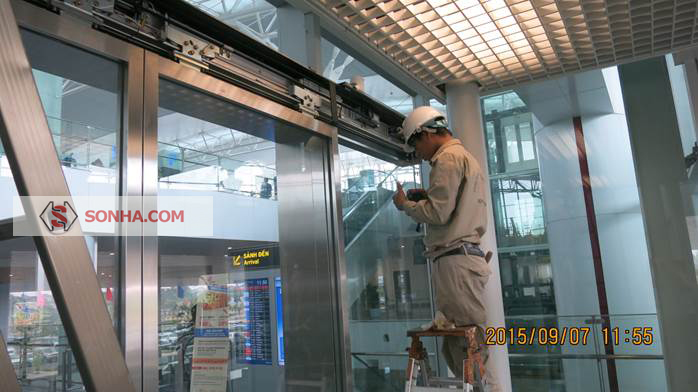
Notes when selecting an automatic door control board
When choosing an automatic door control board for a project, it is important to ensure that the device is compatible with the door type and motor system being used.
In addition, genuine products usually offer higher stability and are designed to work seamlessly with the entire door system. Proper installation and configuration of the control board are also essential to ensure long-term durability and reliable operation.
>>> See more: What is a pulley? The role of pulleys in automatic doors and what you need to know
Conclusion
From the information above, it can be seen that the automatic door control board is the central component that controls the entire operation of the door system. This device receives signals from sensors, processes the data, and controls the motor so the door opens and closes at the correct time. As a result, the automatic glass door system can operate safely and reliably.
Therefore, besides understanding what is an automatic door control board, selecting a suitable controller board and installing it correctly will help ensure long-term system durability, reduce malfunctions, and maintain efficient operation for buildings with heavy pedestrian traffic.