In an automatic sliding door system, users often focus on the motor or sensors while paying little attention to the internal transmission components. In practice, however, the overall performance from smoothness to operational stability depends significantly on a small but critical part: the door belt. So, what is an automatic door belt, and why does it play such an important role in the entire system? Understanding its structure, materials, and functions will help you be more proactive in operation, inspection, and component replacement when necessary.
What is an automatic door belt?
What is an automatic door belt? It is the main transmission component in the form of a loop, also known as a drive belt. Its function is to connect the motor to the door leaf, converting the motor’s rotational motion into linear motion to open and close the door. This is a crucial component in the transmission system of automatic glass doors and sliding doors.
In sliding door systems, the belt is typically installed inside the header, working together with pulleys and rollers to form a synchronized transmission mechanism. When the automatic door motor operates, the belt pulls the door leaf in both directions accurately and continuously. Although relatively small in size, the belt is one of the most important automatic door components, directly affecting smoothness, precision, and durability of the entire system.

Structure and design of an automatic door belt
To better understand what is an automatic door belt, we need to examine its technical structure and design.
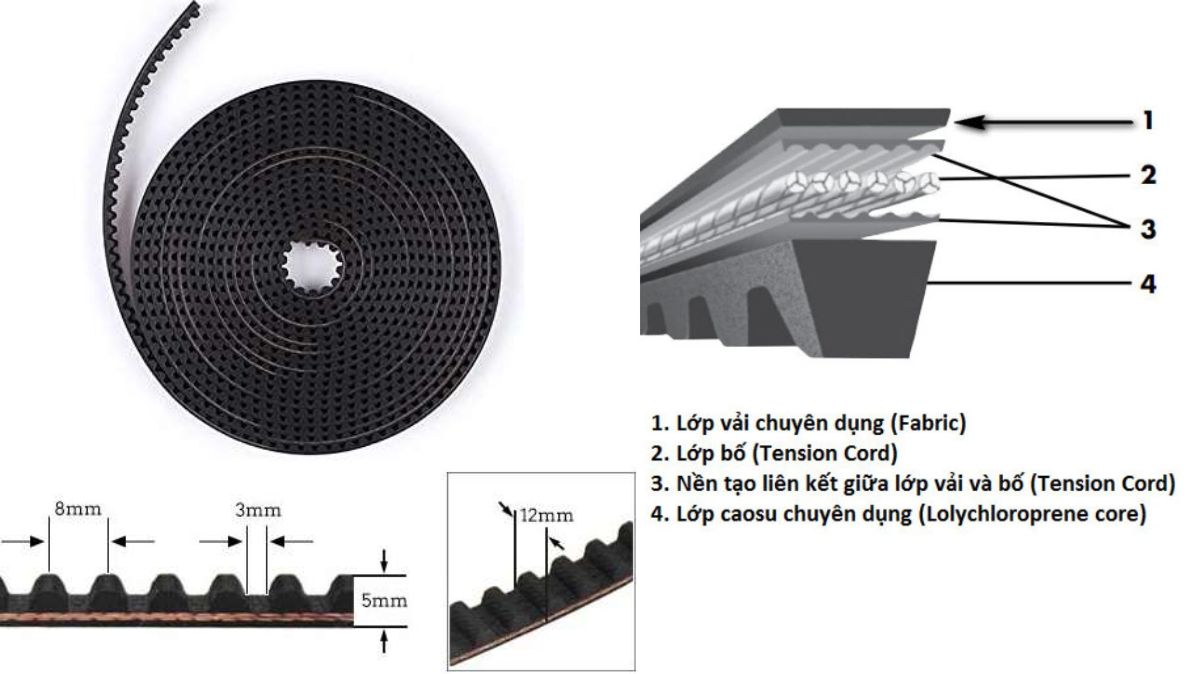
A standard belt typically consists of three main layers:
- Tensile core: usually made of steel cords or synthetic fibers (Kevlar), providing strength and preventing elongation
- Rubber or PU layer: outer covering that provides elasticity and wear resistance
- Toothed surface (timing belt): designed with teeth to mesh with pulleys for precise power transmission
The toothed design is a key factor that prevents slipping during operation, ensuring stable and controlled movement—especially in high-frequency door systems.
In addition, manufacturing precision plays a major role in operational smoothness. Genuine automatic door components are typically produced with very low tolerances, ensuring synchronized and stable performance.
Materials of automatic door belts and their impact on durability
One of the most critical factors determining the lifespan of a belt is its material composition. Common materials include:
- Synthetic rubber (Neoprene, PU): high elasticity and wear resistance
- Steel core or Kevlar fibers: enhanced tensile strength and reduced stretching
- Anti-wear coating: ensures stable long-term operation
The combination of these materials allows the belt to be both flexible and durable under continuous operation. In high-end systems, belts are designed to withstand heavy loads and maintain stability over time. This is why choosing genuine automatic door components not only improves performance but also reduces long-term maintenance costs.
Functions of the belt in an automatic door system
After understanding what is an automatic door belt, it becomes clear that its function goes beyond simple transmission. Specifically, the belt:
- Transfers force from the motor to the door leaf
- Controls precise opening and closing movements
- Maintains synchronization between mechanical components
- Reduces vibration and operational deviation
If the belt fails, the entire door system will be affected. Common issues such as jerky movement, misalignment, or incomplete closing often originate from this component.
Common types of automatic door belts
There are various types of belts available on the market, typically classified based on load capacity and application:
- Standard belts: for small doors with moderate usage
- Heavy-duty belts: suitable for large, heavy, or high-frequency doors
- Premium belts: anti-stretch, wear-resistant, long lifespan
Choosing the right type of belt helps ensure stable operation and minimizes potential issues.

Signs of a damaged automatic door belt
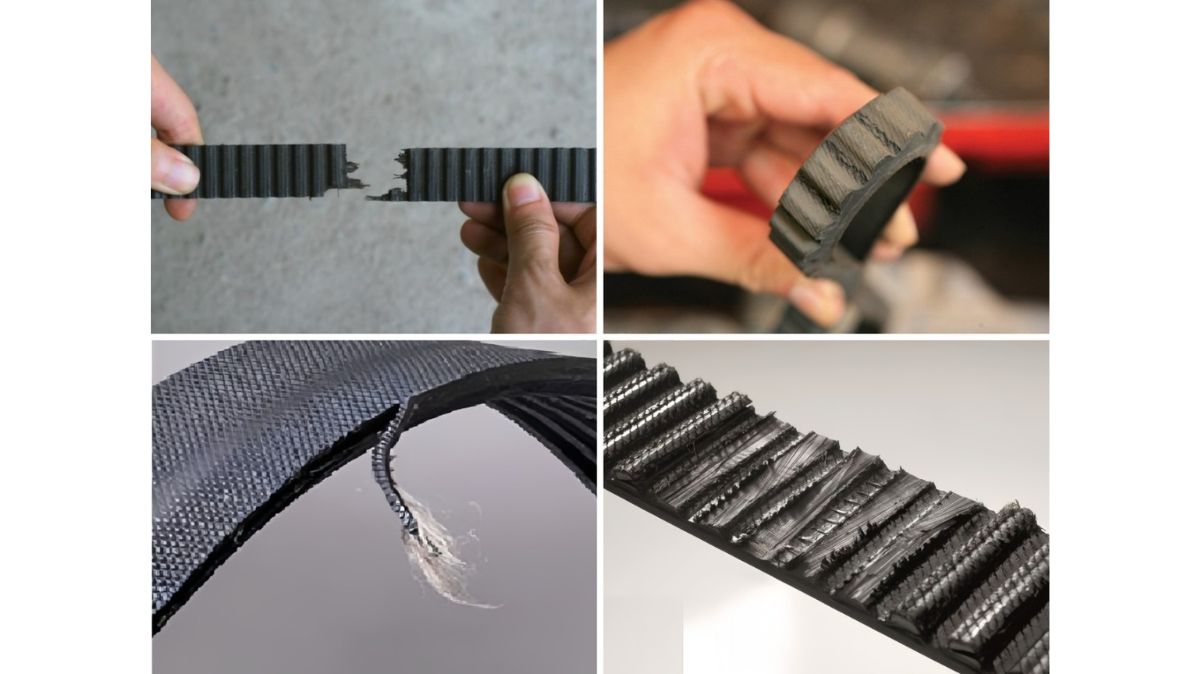
Over time, belts can wear out. Common signs include:
- Uneven or jerky door movement
- Noise during opening/closing
- Door not closing properly or slipping
- Inconsistent opening speed
These are indicators that the belt should be inspected and possibly replaced to maintain proper operation.
When should you replace the automatic door belt?
Replacement should not wait until the door stops working completely. Consider replacing the belt when:
- It shows signs of cracks, wear, or stretching
- The door operates inconsistently over time
- The system has been in use for years without inspection
Timely replacement helps prevent damage to other components such as the motor or track, reducing repair costs.
Notes when replacing an automatic door belt
Not all belts are suitable for every system, so consider the following:
- Choose the correct belt based on door load
- Ensure compatibility with motor and pulleys
- Prioritize genuine automatic door components
- Avoid low-quality belts
Proper installation is also essential to ensure correct tension and system synchronization.
The role of maintenance in extending belt lifespan
In addition to replacement, regular maintenance is crucial to prolong belt lifespan. Maintenance typically includes:
- Checking belt tension
- Cleaning tracks and rollers
- Inspecting pulleys and motor
- Detecting early signs of wear
With proper maintenance, the belt can maintain long-term performance and reduce unexpected failures.
Genuine belt and automatic door component replacement solutions
In an automatic door system, the belt does not operate independently but works closely with components such as the motor, track, and rollers. Therefore, when issues arise, the optimal solution is not only replacing the belt but also ensuring overall system synchronization.
Replacing the correct belt and using genuine automatic door components provides clear benefits:
- Smoother and more stable operation
- Reduced jerking, misalignment, and noise
- Extended system lifespan
- Lower long-term maintenance costs
This is especially important for high-traffic environments such as hospitals, shopping malls, and office buildings. Choosing a professional service provider is key to achieving optimal results.

With extensive experience in installation and maintenance, Sonha Auto provides comprehensive services including belt replacement, component replacement, periodic maintenance, and on-site repair. Their technical team conducts system inspections, evaluates component wear, and recommends appropriate solutions. All replacements prioritize genuine automatic door components, ensuring compatibility, smooth operation, and long-term reliability.
If your door shows signs of jerking, noise, or instability, timely inspection and repair will prevent further damage and ensure continuous operation.
>>> See more: What is an automatic door track? Structure, functions, and when to replace it
Conclusion
From the analysis above, understanding what is an automatic door belt is not just a conceptual question—it directly relates to the performance and durability of the entire system. Although small, the belt plays a critical role in ensuring smooth, stable, and precise operation.
Understanding its structure, materials, and replacement timing allows for more proactive system management. If your door shows signs of instability, it may be time to inspect and replace the appropriate automatic door components. A properly maintained system using genuine parts will always deliver optimal performance and long-term durability.