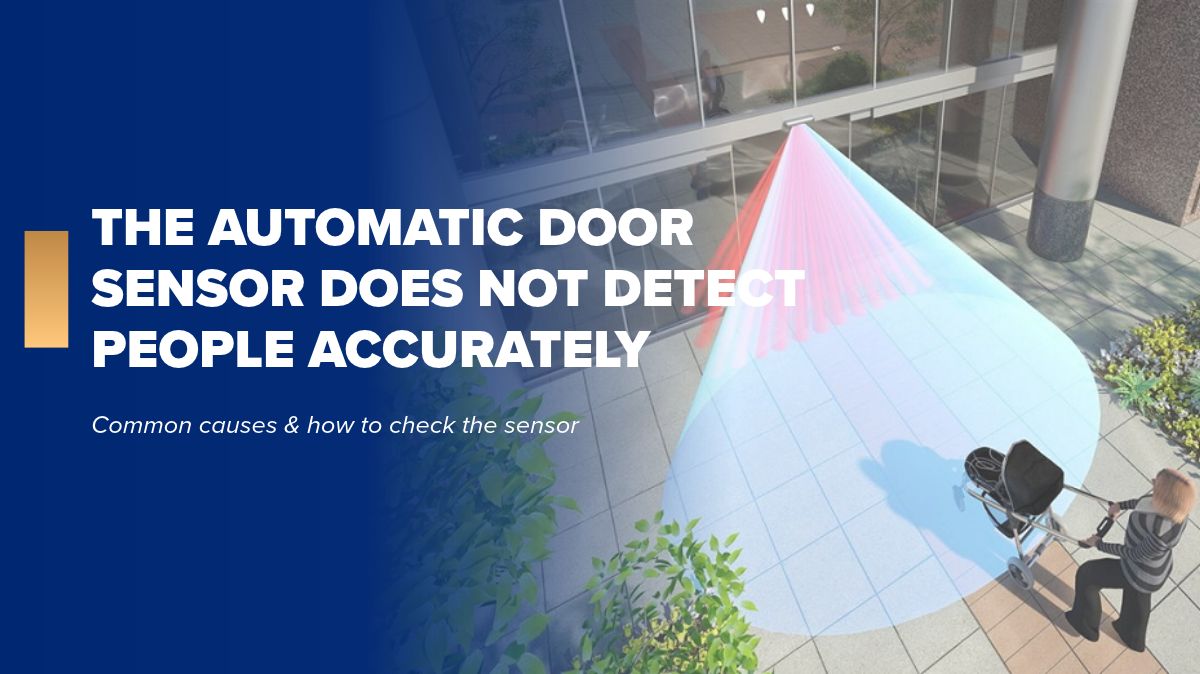
When the automatic door sensor does not detect people accurately, the door may fail to open when someone approaches, open when no one is present, or repeatedly close and reopen. This is one of the issues that can lead to automatic door problems, directly affecting system operation and the user experience. The condition in which the automatic door sensor does not detect people accurately can not only disrupt pedestrian flow but also directly affect the safety of people passing through the entrance. However, this issue is often caused by sensitivity settings, the detection area, or surrounding environmental factors rather than a complete equipment failure. Join Sonha Auto as we explore the main causes and effective solutions in the following article.
WARRANTY & MAINTENANCE SERVICES HOTLINE: 0934 546 008
6 causes of inaccurate people detection by automatic door sensors
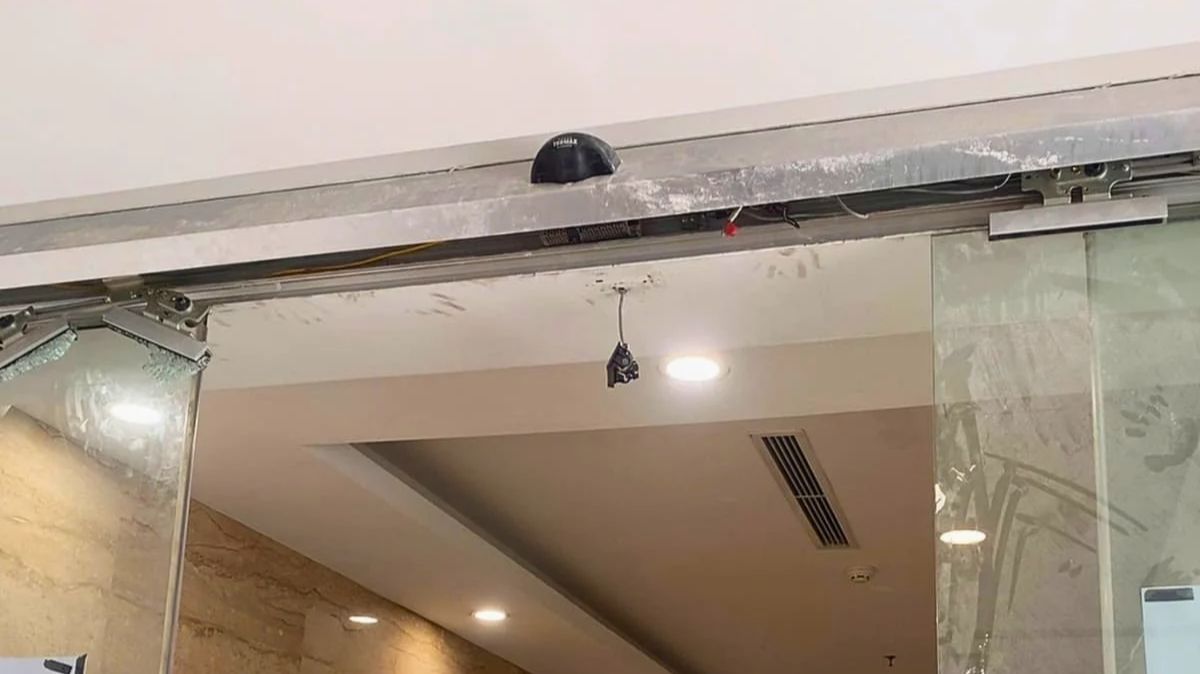
Dust or water on the sensor surface
Dust, moisture, or other substances accumulated on the sensor surface can affect its detection capability. This is a relatively simple cause but can easily be overlooked when troubleshooting automatic door sensor problems.
For doors operating in areas with high levels of dust, high humidity, or heavy pedestrian traffic, regular sensor cleaning and inspection require particular attention.
The sensor sensitivity is not set appropriately
If the sensitivity is set too low, the sensor may fail to detect people at the desired distance or position. Conversely, excessive sensitivity may cause the sensor to respond to unnecessary movements.
Therefore, the automatic door sensor failing to detect people does not necessarily mean that the sensor is faulty. Technicians should check the settings before replacing the component.
The detection area is misaligned or improperly configured
The installation angle and detection range determine the area within which the sensor can detect movement. If the detection area is misaligned with the direction from which people approach, the door may open slowly, fail to open, or only detect a person when they are already very close to the door.
This is also a common cause of the automatic door sensor not detecting people accurately after installation, adjustment, or changes to the door position.
The sensor mistakenly detects the door leaves or moving objects
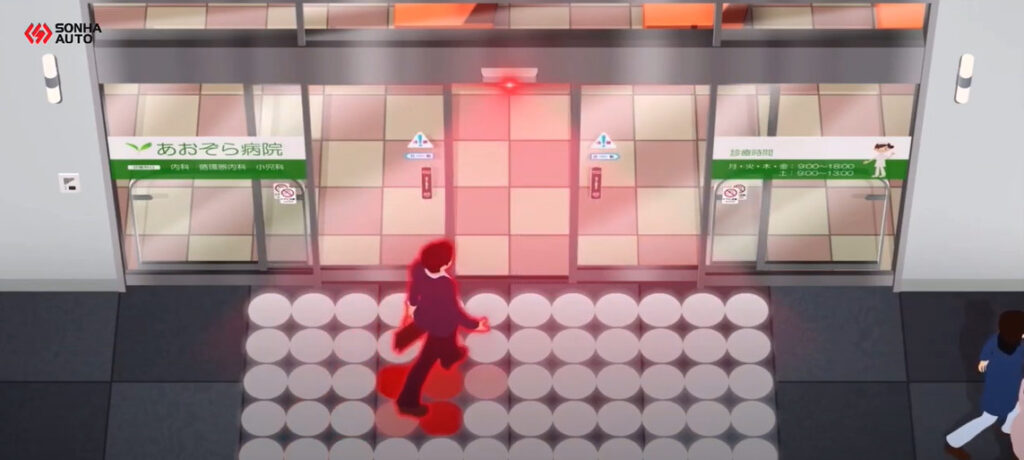
The area in front of an automatic door may contain various moving objects, such as door leaves, curtains, advertising signs, plants, or other objects. If they fall within the detection area, they may cause the sensor to activate unintentionally.
A common symptom is that the automatic door opens even when no one is standing in front of it, or repeatedly closes and opens abnormally.
Multiple sensors installed close together cause interference
In areas with multiple automatic doors or several sensors installed close to one another, the detection areas need to be configured appropriately to minimize interference between them.
When the door responds inconsistently, the inspection should cover the entire area rather than focusing only on a single automatic door sensor.
The environment around the door has changed
Changes in the layout, lighting, pedestrian flow, objects placed in front of the door, or the way people approach the door can all change the operating conditions of the sensor’s detection area.
This is particularly relevant to building entrances, shopping malls, hospitals, or offices with heavy pedestrian traffic, where even minor changes in the area in front of the door can result in inconsistent detection.
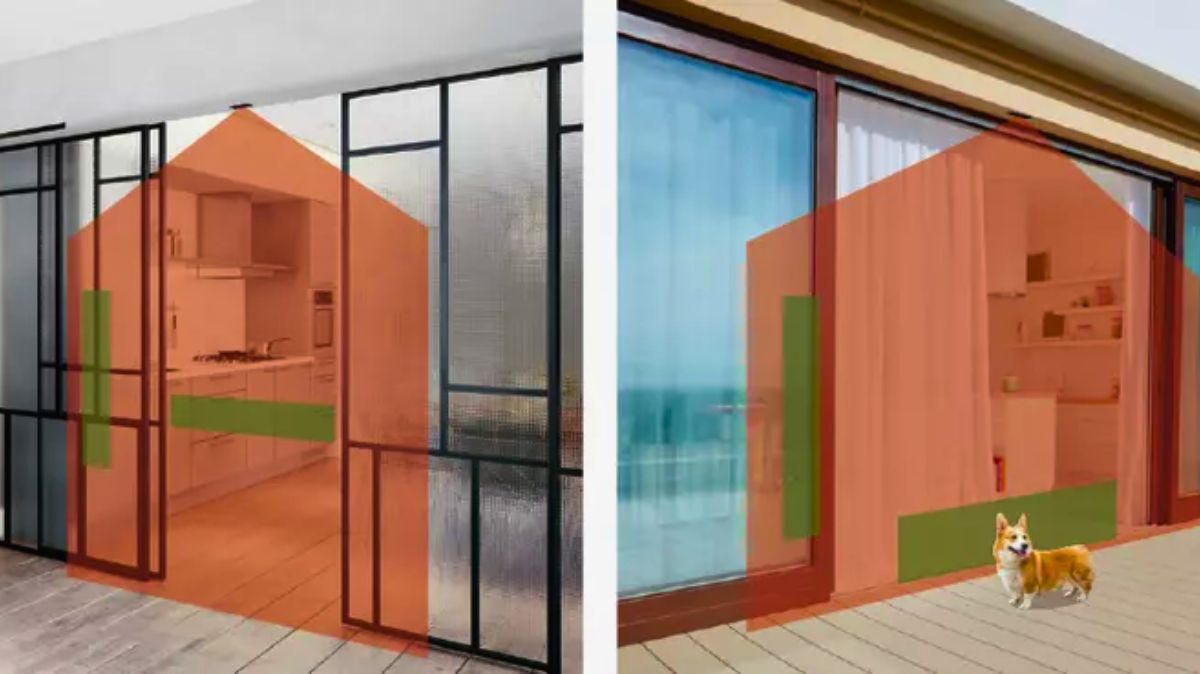
How to check when the automatic door sensor does not detect people accurately
The actual symptoms can be used to narrow down the possible causes:
| Symptom | Factors to check |
| A person is present but the door does not open | Sensor surface, sensitivity, detection area, power supply, and connections |
| The person has to approach very close before the door opens | Installation angle and detection range |
| The door opens when no one is present | Moving objects, door leaves, sensitivity, and detection area |
| The door closes and then reopens | Safety area, objects within the detection area, and presence sensor |
| The door remains open for too long | Sensor settings, connection cables, and surrounding environment |
| Multiple nearby doors operate abnormally | Possible overlap or interference between sensors |
Checking the system based on the actual symptoms helps determine whether the issue lies with the sensor, its settings, or another component of the system. Not every case should automatically be assumed to be an automatic door sensor problem.

When should the automatic door be adjusted and when does it require repair?
If the sensor’s detection area is misaligned, the sensor surface is covered with dust, or the sensitivity is not set appropriately, a technician may inspect and readjust the system without replacing the component.
Conversely, if the door remains unstable after the sensor has been properly adjusted, the power supply, signal cables, controller, and other related components should also be checked. In such cases, automatic door repair should be based on the actual cause rather than replacing the sensor immediately.
For continuously operating door systems, regular automatic door maintenance can also help identify early changes in the detection area, opening and closing speed, rails and rollers, and controller before they develop into problems that affect operation.
When the cause cannot be identified or the problem recurs after adjustment, users should choose a professional automatic door repair service to inspect the entire system and carry out the appropriate technical solution, particularly for doors with high operating frequency.
>>> See more: Automatic sliding door malfunction: Causes, warning signs, and effective solutions
Conclusion
If the automatic door sensor does not detect people accurately, the door opens and closes abnormally, or the system remains unstable after adjustment, Sonha Auto provides automatic door repair and maintenance services, supporting the inspection of sensors, controllers, motors, rails, rollers, and other related components to identify the actual cause before taking corrective action.
With experience in implementing and maintaining automatic door systems, including NABCO automatic doors, Sonha Auto supports the inspection and resolution of issues that arise during operation.