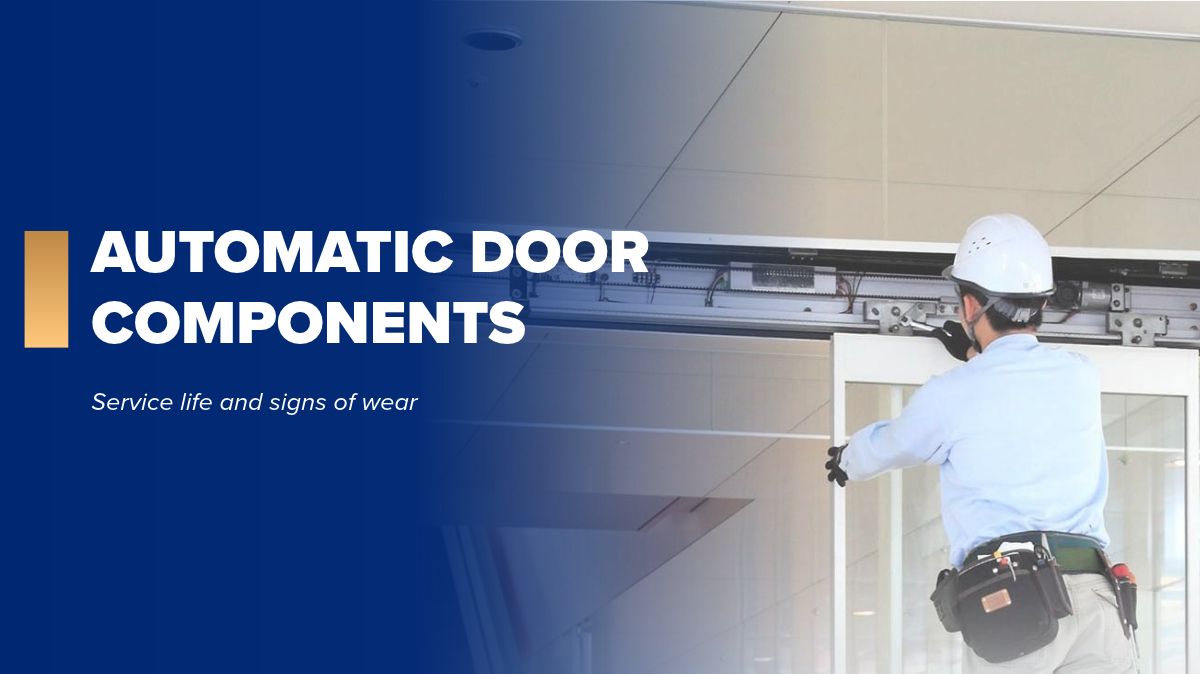
In the medical field, especially in operating rooms and sterile zones, hygiene, airtightness, and operational safety are the highest standards. A conventional door cannot meet the strict requirements of sterile environment control and minimizing cross-contamination. Therefore, modern hospitals and medical centers are shifting to specialized entrance solutions. So, what is an automatic sliding door for operating rooms, and why has it become the golden standard, completely replacing traditional manual doors in medical environments? Let’s explore in detail this important technological solution.
What is an automatic sliding door for operating rooms?
This is a type of automatic door operated by sensors, specifically designed to meet the strictest standards of sterile medical environments. These doors are made of materials such as tempered glass or stainless steel, equipped with airtight sealing gaskets, operate smoothly, and can be activated by sensors, touch switches, or foot switches to minimize hand contact for medical staff.
Differences from conventional automatic sliding doors:
- Operating room doors have a completely airtight structure (hermetic sealing).
- Use antibacterial, corrosion-resistant materials such as stainless steel or HPL panels.
- Integrate non-contact sensors, different from motion sensors commonly used for entrance doors.

Structure of automatic sliding doors for operating rooms
The detailed structure determines the quality of an airtight hospital door system. To understand more about this type of door, below are the key components and their functions:
| Component | Function & description |
| Door leaf | Made of stainless steel, powder-coated steel, or HPL panels with antibacterial properties, easy to clean. |
| Observation window | Double-layer tempered glass with vacuum or inert gas to prevent condensation and ensure visibility. |
| Rail & motor | Operates quietly, suitable for clean environments, minimizing dust generation. |
| Sensors & control system | Use non-contact devices like elbow switches, foot sensors, or wave sensors, allowing automatic opening without hand contact. |
| Sealing system | Special rubber gaskets automatically press the door tightly against the frame when closed, maintaining positive pressure and blocking contaminants. |

Operating principle
The operating mechanism focuses on maximizing sterility and safety. Let’s understand how what is an automatic sliding door for operating rooms works in real-world conditions:
- Activation: Triggered by non-contact sensors—medical staff can wave, step, or press with their elbow to open.
- Smooth operation: The motor quietly moves the door leaf sideways, minimizing vibration and noise to avoid disturbing surgery.
- Airtight closure: When idle, the door closes automatically. In the final seconds, the hermetic mechanism lowers and seals the door tightly against the frame for perfect airtightness.
- Safety mechanism: Anti-pinch sensors along the edges stop or reverse the door immediately upon detecting obstacles, ensuring safety for patients and equipment.
Key advantages
To understand why this solution is essential in hospitals, here are its outstanding advantages:
- Absolute sterility: Airtight structure and antibacterial materials maintain ISO-standard clean environments, blocking dust and bacteria.
- Silent and safe operation: Smooth, quiet movement ensures concentration in high-focus environments like operating rooms.
- Convenient and time-saving: Non-contact opening allows doctors and nurses to move quickly, optimizing critical time during emergencies.
- Aesthetic and durable: Modern design, high longevity, and resistance to frequent cleaning chemicals make it ideal for advanced hospitals.

Applications
Beyond operating rooms, automatic sliding doors for operating rooms are widely used in other medical areas such as:
- Surgery rooms, ICUs, CCUs.
- Sterile zones, isolation wards.
- Laboratories and research areas.
In Vietnam, major hospitals such as 108 Military Central Hospital, Vinmec, Hong Ngoc, Tam Anh, and National Children’s Hospital have adopted this solution.
Technical standards and selection criteria
When choosing an automatic operating room door, investors should consider:
- Medical standards: Must comply with ISO 14644, GMP, or JIS A 4722.
- Airtightness and noise level: Ensure absolute sealing and ultra-low noise.
- Surface materials: Must resist chemical corrosion and bacterial adhesion.
- Backup system: Must include battery/UPS backup for emergency operation during power outages.

NABCO – Trusted brand for hospital doors
To meet all these strict technical standards, choosing a reliable brand is essential. NABCO (Japan) is a world-leading brand in automation, famous for its airtight hermetic door technology, ultra-quiet motor, and exceptional durability that meet the strictest medical requirements worldwide.
In Vietnam, Sonha Auto is the official distributor and installer of NABCO automatic doors. With extensive experience in hospital projects, Sonha Auto provides genuine, cleanroom-standard sliding door systems with professional warranty and maintenance nationwide.
>>> See more: What is an automatic sliding door? Why is it popular in modern design
Conclusion
Through this detailed analysis, we have fully answered what is an automatic sliding door for operating rooms.
Clearly, this is not just a convenience device but a strategic technological solution essential to meet the strictest hygiene and safety standards in modern healthcare. With absolute airtightness, contactless operation, and long-lasting durability, hermetic hospital door systems are the optimal choice for ensuring patient safety and enhancing hospital efficiency.
👉 Contact Sonha Auto today for consultation and pricing on NABCO-certified automatic sliding door solutions for operating rooms — safe, reliable, and compliant with international standards.