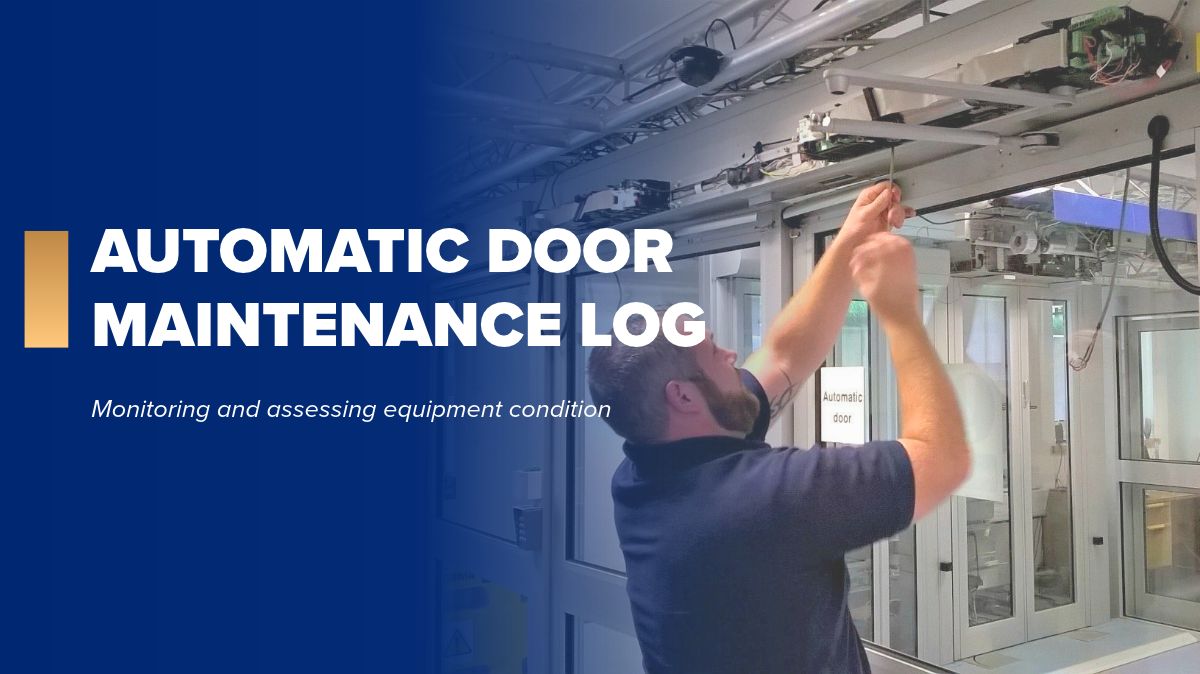
During operation, automatic doors may require inspection, adjustment, or component replacement depending on their actual condition. Assessing a door at a single point in time makes it difficult for facility managers to understand previous issues and how they were addressed. An automatic door maintenance log organizes records of inspections, repairs, and items requiring further monitoring. In this article, Sonha Auto explores the information a maintenance log can provide, the signs that warrant attention, and the issues that cannot be determined from records alone.
What is an automatic door maintenance log?
An automatic door maintenance log is a record of inspection, servicing, adjustment, repair, and component replacement activities carried out during equipment operation.
According to the service guidance provided by NABCO, maintenance may include periodic inspections, adjustments, lubrication, repairs, and spare parts replacement, depending on actual requirements. Records should specify the inspection date, items inspected, findings, and work performed. The exact contents depend on the equipment, service scope, and maintenance provider’s documentation format.

What does an automatic door maintenance log reveal about equipment condition?
Items inspected and work performed
Through door maintenance reports, facility managers can review the items inspected, adjusted, repaired, or replaced during each service visit. When reassessing equipment, technicians can compare the service history with its current condition to identify areas requiring further inspection.
However, the fact that an item has been inspected does not mean every aspect of the entire system has been assessed. Any conclusions must reflect the scope of the inspection documented in the report.
Signs of recurring problems
If the same abnormal symptom appears in multiple reports, the maintenance log can help identify an issue that warrants closer investigation. Technicians can compare when the problem occurred, the corrective work previously performed, and the current condition before proceeding with further checks.
Nevertheless, similar symptoms do not necessarily have the same underlying cause. The cause must still be established through on-site inspection and appropriate technical documentation.
History of adjustments and component replacement
A maintenance log provides a record of components or items that have been adjusted, repaired, or replaced, along with the dates of the work. When compared with current inspection findings, this history gives technicians additional information for assessing previously serviced components and identifying items that require monitoring.
It is important to note that replacing automatic door components does not, by itself, prove that the door system is of poor quality or has reached the end of its service life. An accurate assessment requires consideration of the reason for replacement and the equipment’s actual condition.

Items requiring further monitoring
If a report identifies an issue that has not been fully resolved or requires additional inspection, this information should be carried forward to the next maintenance visit. According to E.D.S.F. guidance relating to EN 16005, recording maintenance activities is an important consideration. Consistently maintained records give facility managers and technicians a basis for comparison during subsequent inspections.
Therefore, an automatic door maintenance log not only provides a record of completed work but can also help track items requiring further attention.
What cannot be determined from an automatic door maintenance log alone?
An automatic door maintenance log supports equipment monitoring but does not replace direct inspection.
- Remaining service life: The exact remaining operating life of equipment cannot be determined solely from the number of maintenance visits or the length of time it has been in use.
- Safety condition: The absence of recorded abnormalities does not mean that all functions have been tested and found to meet the applicable requirements. Safety functions must be inspected in accordance with the manufacturer’s instructions and the requirements applicable to the system.
- Cause of failure: Repair history or records of automatic door component replacement provide useful reference information, but the cause must be verified through technical inspection.
- Condition of the entire system: If inspection findings or details of corrective work are missing, the ability to assess changes in equipment condition over time will be limited.
Therefore, maintenance records should be reviewed alongside the actual equipment condition and the manufacturer’s technical guidance before conclusions are drawn.
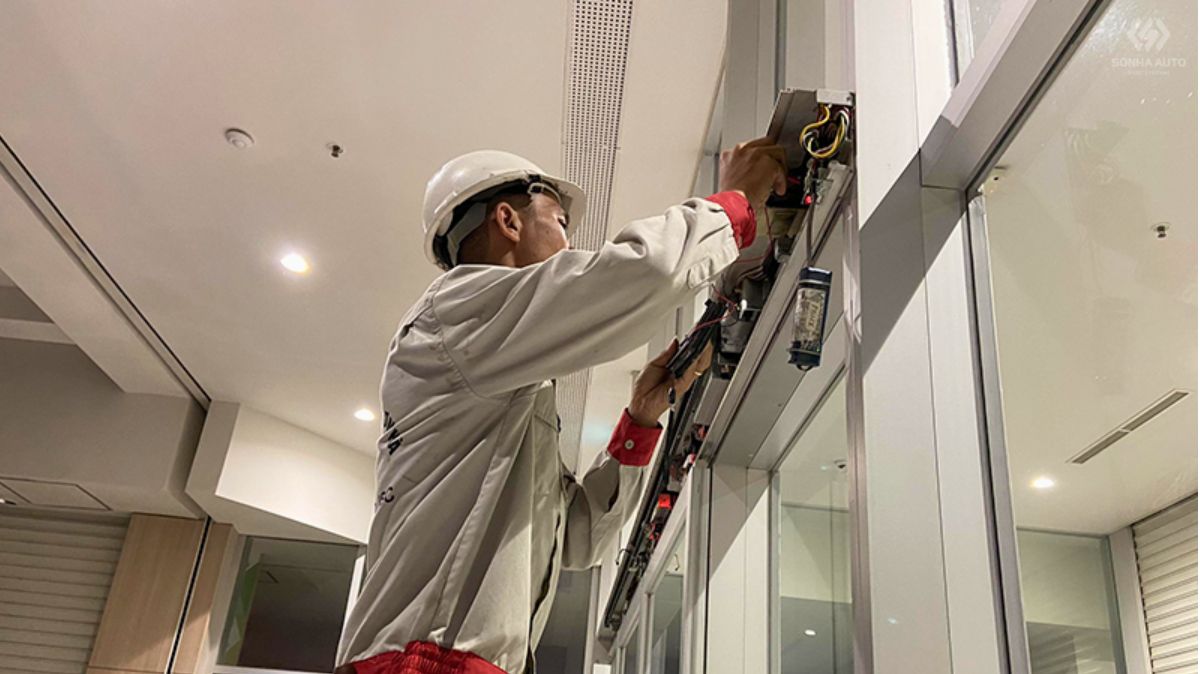
How can an automatic door maintenance log provide greater value?
For effective long-term monitoring, records should include the following basic information:
Equipment identification: Building or project, installation location, and door model, where identifiable.
- Inspection date: Date of service and report reference details.
- Inspection findings: Items inspected and the results recorded.
- Work performed: Adjustments, lubrication, repairs, or component replacement, where applicable.
- Post-maintenance results: The condition recorded after the work was completed.
- Items requiring follow-up: Unresolved issues or items to be inspected during the next service visit.
These are recommended fields for organizing maintenance records, not a mandatory template applicable to every type of automatic door. The manufacturer’s documentation, maintenance procedures, and equipment-specific requirements should take precedence.
Systematic recordkeeping also helps facility managers retrieve information when the person responsible for maintenance changes or when equipment records need to be handed over. In its operating instructions for NABCO automatic sliding doors, the manufacturer requires the handover of operating instructions, warranty certificates, and the latest inspection report when the system is transferred to a new user.
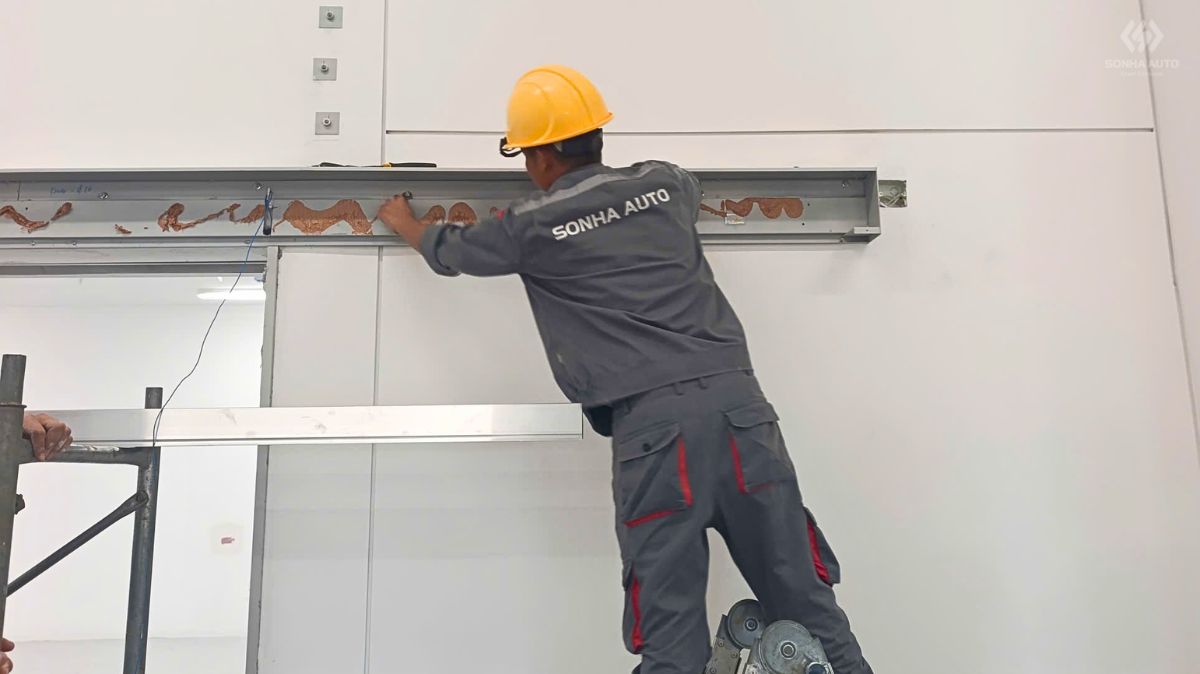
>>> See more: After millions of opening and closing cycles, which automatic door components wear out first?
Sonha Auto – Professional automatic door maintenance and repair services
For automatic doors that have been in service for many years, normal opening and closing does not necessarily mean that inspections can be overlooked. Comparing the automatic door maintenance log with the actual equipment condition helps identify previously addressed issues, outstanding problems, and components requiring further inspection.
At Sonha Auto, automatic door inspections and maintenance are carried out according to the equipment’s condition and applicable technical requirements. Retained maintenance records also provide a basis for tracking repairs, adjustments, and automatic door component replacement over successive service visits.
If the automatic doors at your facility have been operating for many years or show signs of abnormal performance, contact Sonha Auto at 0934 546 008 for advice on an appropriate inspection and corrective maintenance plan.