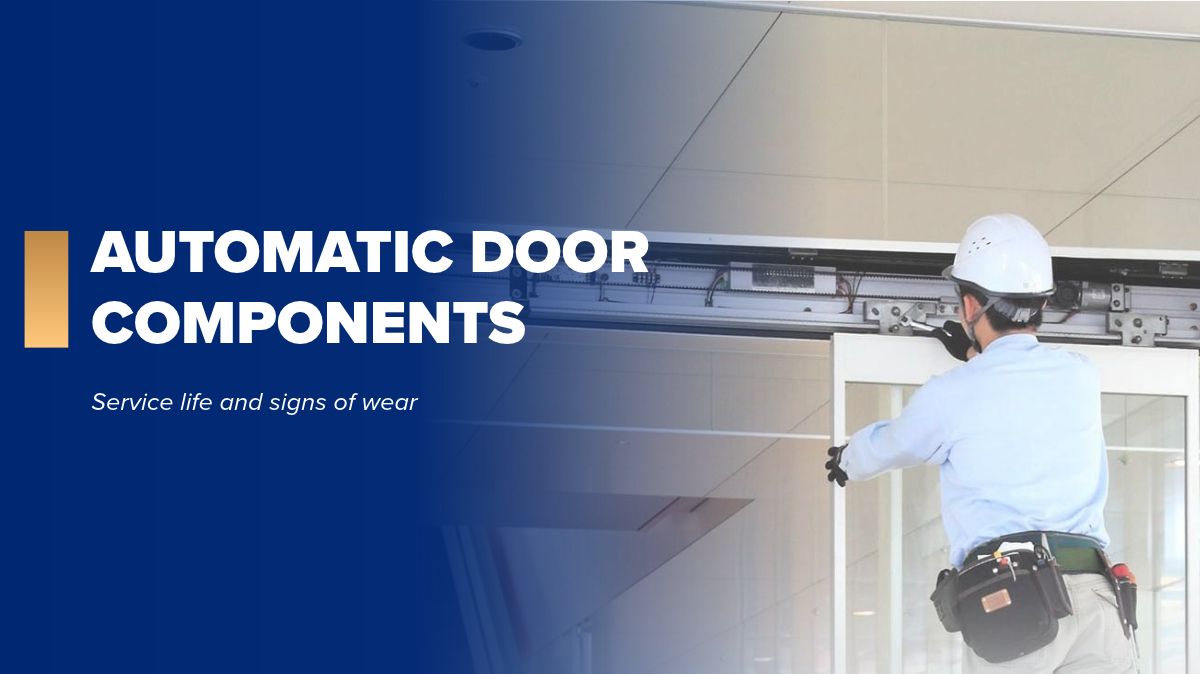
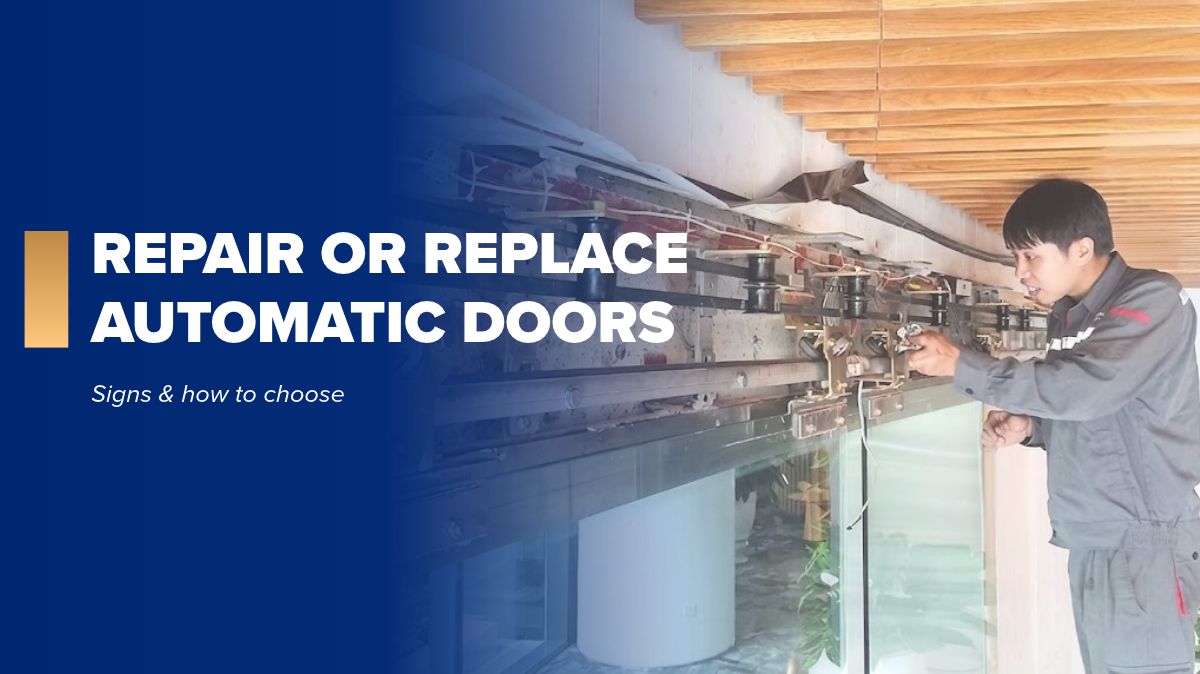
In modern buildings, the demand for enhanced convenience, safety, and smart operation is becoming increasingly important. Not only main entrances but automatic windows have also become a new trend thanks to their flexible opening mechanism and user safety features. So, what is an automatic window, how is it built, and how does it operate that makes it increasingly preferred in buildings, hospitals, factories, and homes? The following article will help you clearly understand the concept, benefits, and practical applications of automatic windows so you can make the right choice for your project.
What is an automatic window?
Simply put, an automatic window is a window system equipped with a motor and an electronic controller that allows the window to open, close, or tilt automatically without any physical force from the user. Instead of pushing or pulling manually, the user can control it via a switch, remote control, or even connect it to a Building Management System (BMS) or smartphone.
Compared to traditional windows, automatic windows are designed to optimize safety, provide automatic ventilation, offer ease of use, and enhance the modern aesthetic of the space. When learning what is an automatic window, the most important aspect to understand is the automation mechanism through the motor and control system, which ensures stable and durable operation over time.
This is also an ideal solution for facilities that require environmental control such as hospitals, factories, cold storage, cleanrooms, or buildings that require ventilation and smoke exhaust systems.

Structure of an automatic window
Depending on the window type, the structure may vary, but generally, an automatic ventilation window consists of the following main components:
| Component | Function |
| Motor – Actuator | The main operating unit, which may be a chain actuator, spindle actuator, or linear actuator depending on the window type. |
| Central controller | Receives signals from the remote, sensors, or BMS and controls the motor. |
| Open/close sensors | Includes rain sensors, wind sensors, temperature sensors, and safety sensors (obstacle detection). |
| Rails – Shafts – Actuator arms | Mechanical structure that transfers motion from the motor to the window, ensuring smooth and precise movement. |
| Glass/Aluminum/Steel frame | The structural material of the window, especially crucial for smoke exhaust windows requiring high durability. |
Operating principle of an automatic window
An automatic window works through the coordination of the motor and the controller:
- Receiving commands: The controller receives signals from switches, remotes, or automatic sensors.
- Motor activation: The controller powers the motor, which moves the window through a chain, spindle, or actuator arm.
- Intelligent control: The system can be programmed to operate in various modes—partially open (e.g., 30% for light ventilation), auto-close when it rains, or auto-open when room temperature exceeds the threshold or when smoke is detected.
- Safety mechanism: High-quality motors include force-sensing features to stop immediately upon detecting an obstruction.
Common types of automatic windows
Automatic windows are categorized based on their opening style and application:
- Automatic awning windows: Ideal for roof windows or high-level openings requiring ventilation while preventing rainwater entry.
- Automatic casement windows: Suitable for standard windows needing wide openings.
- Automatic louver/tilt windows: Used in greenhouses or factories where precise airflow control is needed.
- Automatic sliding windows: Used for large window areas or balcony glazing.
- Emergency smoke-exhaust windows: A critical part of fire safety systems, designed to open automatically during a fire.

Applications of automatic windows
After understanding what is an automatic window, it becomes clear that this solution offers wide applicability due to its active ventilation and flexible operation:
- Homes & villas: Enhances convenience and modern design, especially for skylights or high-position windows.
- Office buildings, hotels, malls: Often integrated with BMS for centralized ventilation control and energy optimization.
- Factories, cold storage, cleanrooms: Essential for controlled environments requiring specific temperature, pressure, and smoke exhaust solutions.
- Hospitals: Important in areas needing pressure control and reliable smoke exhaust windows for safety.
 The swing-type smoke exhaust window solution installed by Sonha Auto for the Sun Tropical Village Ballroom – Phu Quoc
Advantages and disadvantages of automatic windows
To determine whether an automatic window is a suitable investment, it’s important to consider both its advantages and disadvantages.
Advantages
- Convenience & automation: Requires no physical effort—just a button press.
- Active ventilation: Integrated sensors allow scheduled or condition-based opening.
- Fire safety: Critical part of smoke extraction systems, fully compatible with building fire protection infrastructure.
- High aesthetics: Modern, clean, and suitable for smart homes.
Disadvantages
- Higher initial investment compared to traditional windows.
- Dependence on electricity (though most motors have backup batteries).
- Requires periodic maintenance of the motor and sensors.
How to choose a durable and safe automatic window
Choosing the right automatic window system is essential to ensure long-term durability and optimal performance. When selecting a solution, investors should pay attention to the following factors:
- Choose a reputable brand: Prioritize well-known manufacturers in the automation industry such as TOPP (Italy) or Heinda (China) to ensure motor and controller quality.
- Select the appropriate motor: The motor must have sufficient power to operate the window—especially for smoke-exhaust windows, which require high load capacity and frequent operation.
- Safety features: The system should include force sensors (anti-pinch) and be compatible with the building’s fire protection system.
- Professional installation unit: Choose an installer with proper technical expertise and reliable after-sales service, as incorrect installation can damage the motor and reduce the lifespan of the entire system.

>>> See also: What is a hospital door? Learn about its structure, standards, and the most common hospital door types today
Sonha Auto – Trusted automatic window supplier and installer
Sonha Auto is a reputable provider in Vietnam specializing in automatic doors, gate motors, and smart automation solutions. With extensive experience, we provide:
- Genuine motors and accessories
- Consultation for project-specific solutions
- Professional installation
- Long-term warranty and maintenance
If you are learning what is an automatic window and want to install automatic opening windows, automatic ventilation windows, or a fully smart and safe automatic window system, contact Sonha Auto today for detailed consultation and pricing!