In high-traffic facilities such as hospitals, shopping malls, hotels, and office buildings, automatic doors play a crucial role in managing pedestrian flow, ensuring safety, and maintaining a professional image. Therefore, rather than comparing only the initial purchase price, investors should assess the entire lifecycle of automatic doors. Component durability, operational stability, maintenance costs, and reliability throughout service are the factors that determine long-term investment value.
As a Japanese brand established in 1956, NABCO has consistently placed safety, convenience, and product longevity at the core of its values. The NABCO NATRUS range is a clear example of this approach, focusing on optimizing costs over each operating cycle. In this article, Sonha Auto takes an in-depth look at the technology and practical methods for evaluating the automatic door lifecycle of NABCO systems.
The development of NABCO automatic doors in Japan since 1956
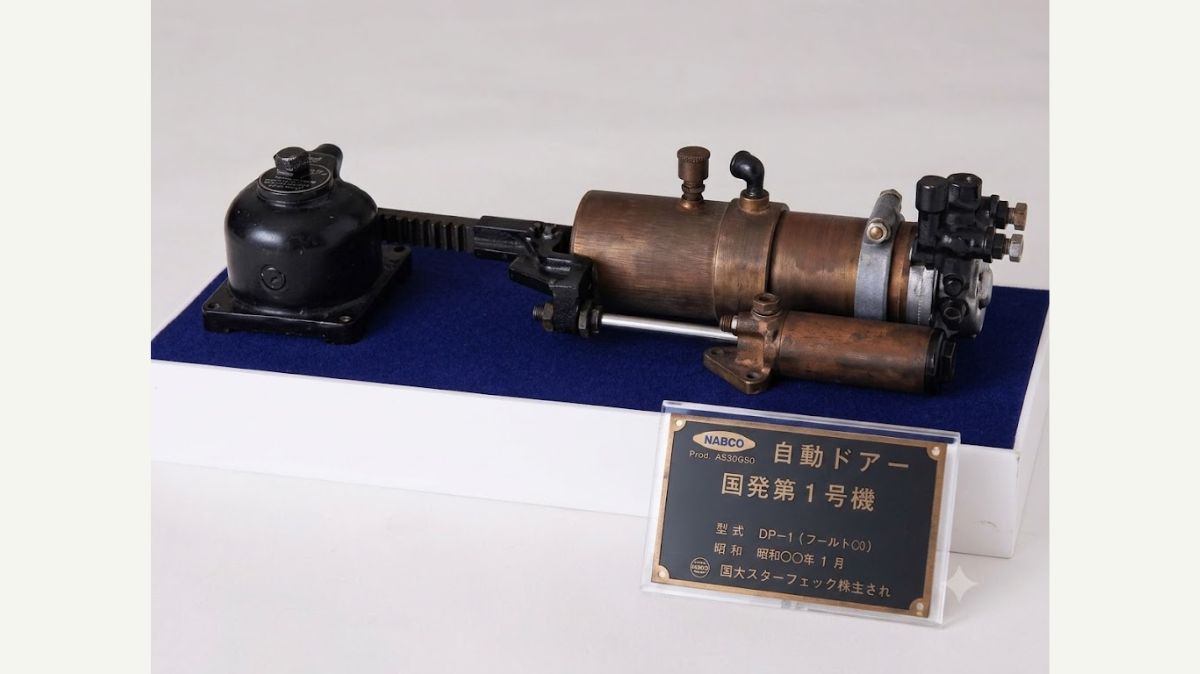
The year 1956 marked a milestone in the history of automatic doors when NABCO introduced a pneumatic revolving door operator at the Osaka Exhibition and installed Japan’s first domestically produced automatic door system at the Japan Air Brake headquarters. After seven decades of continuous technological innovation, NABCO has established a strong global position in quality and safety.
However, a brand’s history is only one aspect of assessing its capabilities. When evaluating the automatic door lifecycle, what matters more is how technology is applied in product design, how the system meets safety requirements, and how it can be maintained under actual operating conditions.
NABCO NATRUS – Design optimized for service life and operating costs
The next-generation NABCO NATRUS automatic sliding door range is designed to extend equipment service life and reduce maintenance costs. The system integrates mechanical drive components, intelligent sensors, and a microprocessor controller.
Improvements to rollers and guide tracks
Rollers and tracks are two mechanical components that bear the door leaf load and operate continuously. Smooth movement and operating noise depend heavily on the condition of these components.
In the NATRUS range, NABCO has improved the rollers by adding a premium polyurethane (urethane) outer layer and combining them with reinforced aluminum alloy tracks. These improvements enhance load-bearing capacity, help prevent derailment, and ensure smoother, quieter operation. This plays an important role in extending the automatic door lifecycle, particularly at entrances that experience frequent opening and closing.

Sensors and safety features
Sensors help the door detect people or obstacles, while the controller processes signals to operate the system as designed. If any of these components fails to function correctly, the door may open or close abnormally or fail to meet safety requirements.
NATRUS automatic doors incorporate sensor self-test technology that operates during each opening and closing cycle. The system continuously performs self-diagnostics and activates a safety mode when abnormal signals are detected, helping prevent incidents and enabling technicians to identify and troubleshoot faults more efficiently.

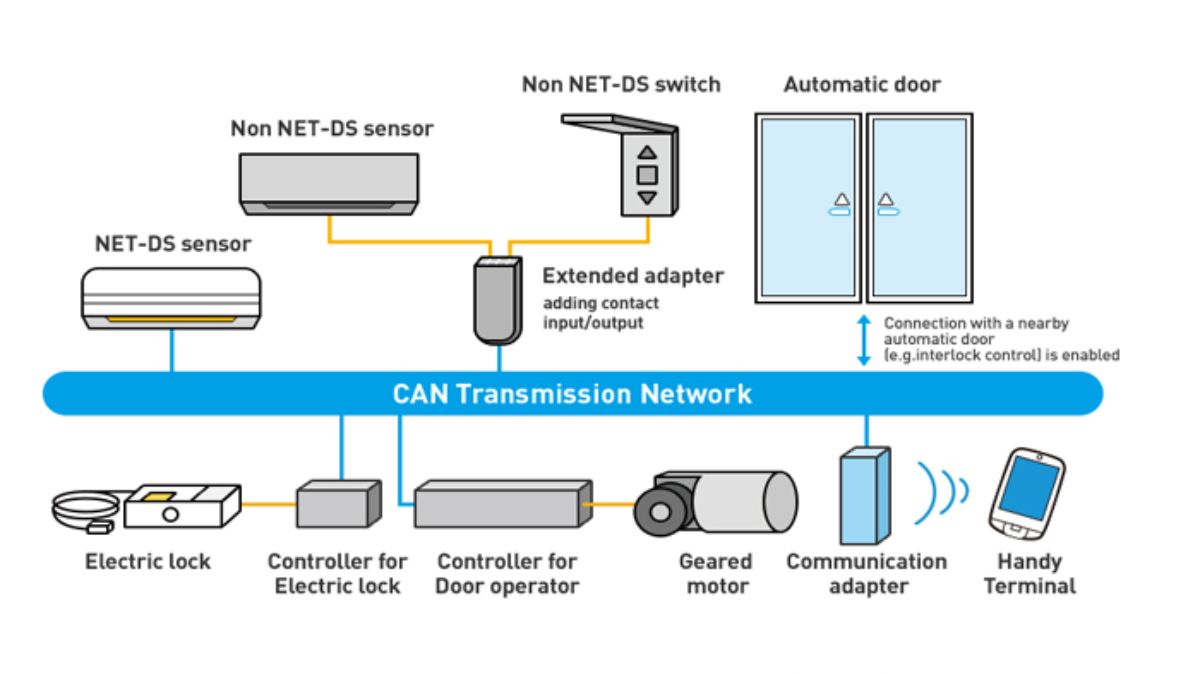
Control system and CAN communication
NABCO uses a CAN communication network in compatible systems to facilitate data exchange between components. This technology can detect communication errors and help improve the reliability of signal transmission.
In an automatic door system, communication between components provides a clearer technical basis for monitoring system status and identifying abnormalities. However, CAN communication alone should not be regarded as the determining factor in overall equipment service life. Performance also depends on system configuration, installation quality, and operating conditions.
In addition, the energy-saving ECO mode allows the automatic door to adjust its opening width according to actual pedestrian traffic, helping reduce air-conditioning energy loss and optimize electricity consumption.
Why does maintenance remain a decisive factor?
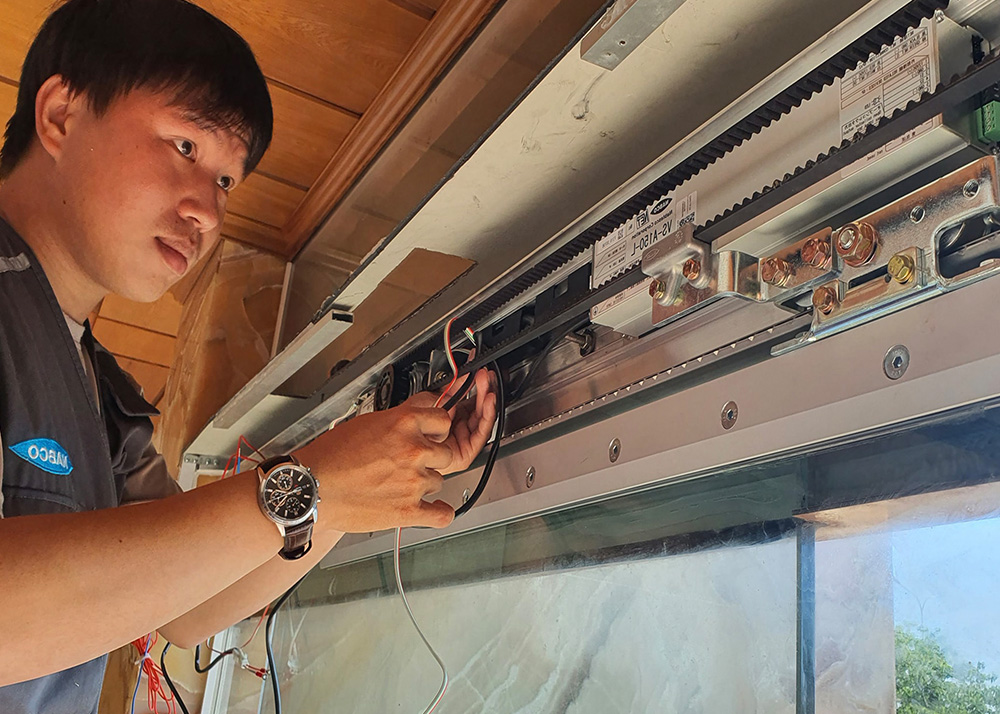
In addition to equipment quality, automatic door durability is affected by usage frequency, installation environment, and maintenance practices. Regular inspections, guide track cleaning, mechanical adjustments, and component replacement when necessary help limit wear and maintain stable operation.
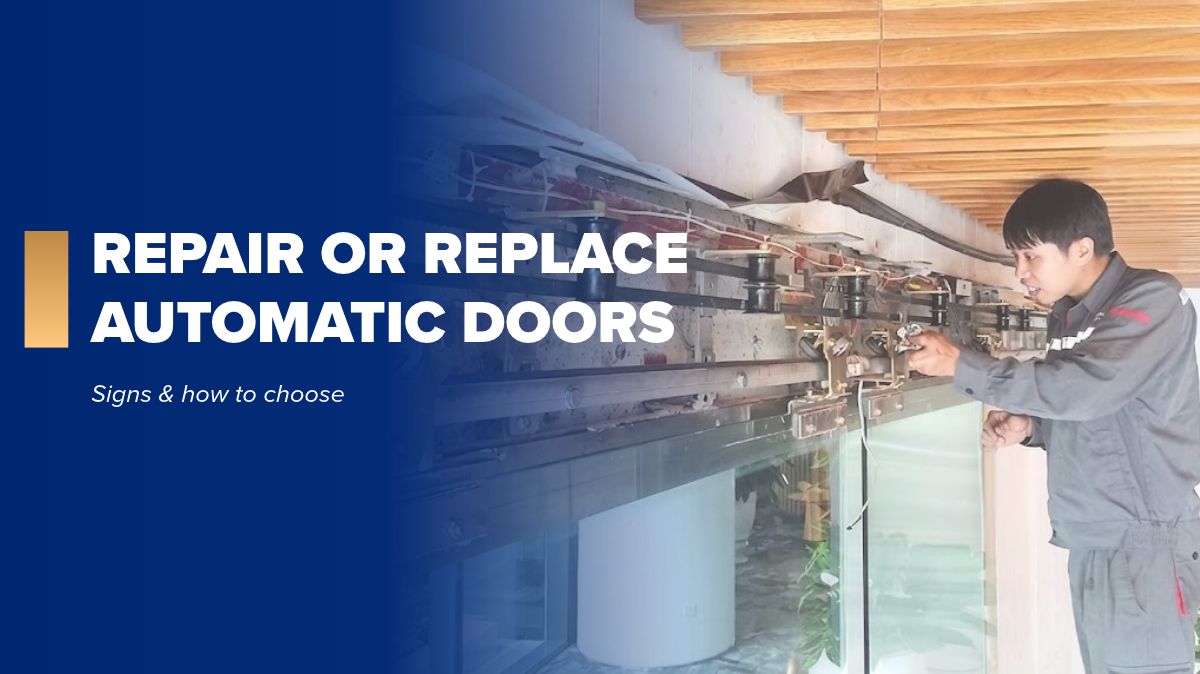
When a door produces unusual noise, moves jerkily, or responds abnormally to sensor signals, it should be inspected to identify the cause before deciding whether to repair the automatic door or replace a component. In many cases, simply cleaning the track and realigning the door leaves can restore smooth operation, avoiding unnecessary repairs or component replacements.
NABCO recommends arranging inspections and maintenance through an appropriate service provider or distributor. The automatic door maintenance schedule should be based on the manufacturer’s instructions, the condition of the system, and the operating intensity at each facility.
Evaluating the automatic door lifecycle based on actual performance
When evaluating the automatic door lifecycle, investors should not rely solely on the number of years in service or the initial purchase price. Automatic door durability should be assessed alongside operational stability, safety, maintenance and repair costs, and downtime when the system malfunctions.
- Durability and operational stability: The ability to handle the specified door leaf load, opening and closing frequency, and environmental conditions.
- Maintenance and repair costs: The need for inspections, adjustments, troubleshooting, and component replacement over time.
- Operational safety: The ability to meet usage requirements and maintain the proper functioning of sensors, the controller, and related mechanisms.
- Operational downtime: The impact of a door becoming unavailable in areas with heavy pedestrian traffic.
A system may remain in service for many years while still requiring the replacement of certain components. Conversely, not every fault requires the entire door system to be replaced. An accurate assessment of equipment condition helps investors choose the most appropriate option: continued operation, repair, upgrading, or replacement. This is also a practical approach to assessing the value of NABCO automatic doors: evaluating product design and technology alongside operating conditions, maintenance planning, and costs incurred throughout the service life.
Sonha Auto – Supporting NABCO automatic door solutions in Vietnam
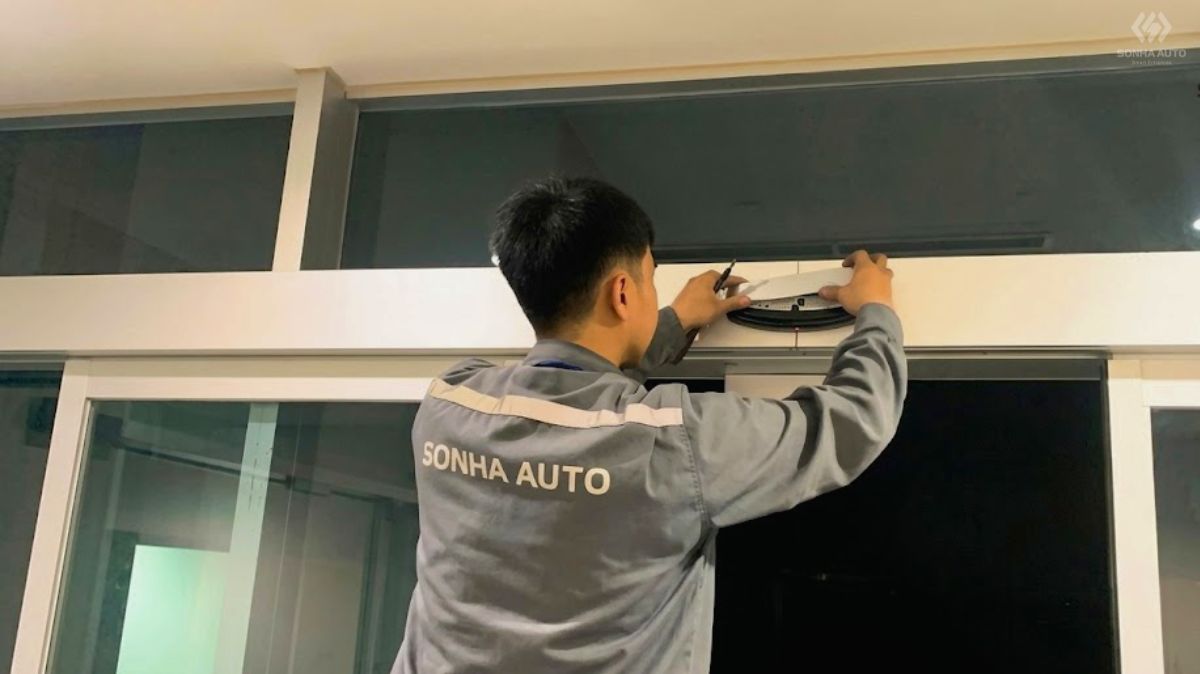
As the official distributor of Japanese NABCO automatic doors in Vietnam since 2006, Sonha Auto provides integrated solutions ranging from design consultation and installation to warranty service, maintenance, and professional automatic door repair, tailored to the requirements of each facility.
Depending on pedestrian traffic, door leaf dimensions, installation conditions, and safety requirements, Sonha Auto recommends suitable solutions to help ensure stable system operation. During service, regular inspections and accurate troubleshooting help identify abnormal signs early, allowing building owners to plan repairs and component replacements proactively and manage additional costs. With NABCO automatic doors, value lies not only in equipment durability but also in maintaining safe, stable operation through proper care throughout the automatic door lifecycle.
Contact Sonha Auto at 0934 546 008 for advice on NABCO automatic door solutions suited to your project.