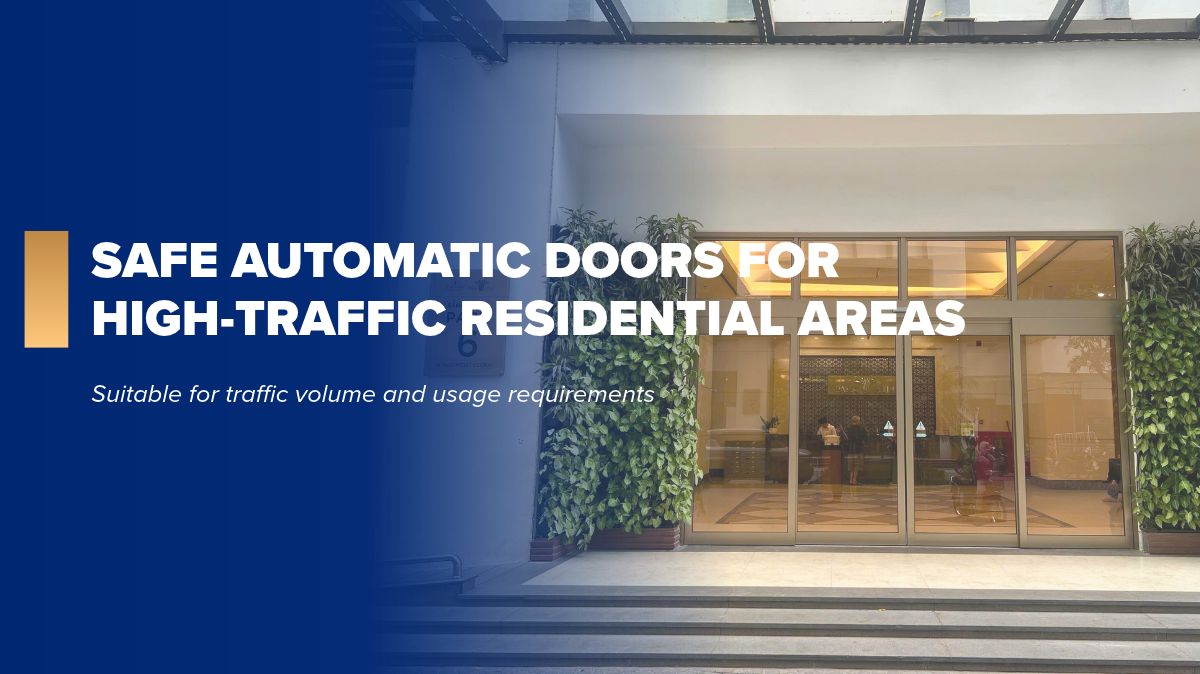
As architecture and technology continue to develop, entrance areas are receiving increasing attention in the design and operation of buildings. An entrance is not only where the interior and exterior spaces are separated but is also directly related to traffic flow, accessibility, safety, and user experience. In this context, automatic doors for modern buildings are becoming an increasingly popular solution for offices, hotels, shopping malls, hospitals, factories, and many other types of buildings. Depending on the characteristics of each area, the door system can be selected based on the door type, entrance width, usage frequency, door leaf load, and operational requirements. Let’s explore with Sonha Auto how to select a suitable door solution for each type of building in the following content.
Why have automatic doors become part of modern buildings?
Automatic doors simplify the process of entering and exiting by eliminating the need for users to directly touch or pull the door leaves. This is particularly suitable for areas with high pedestrian traffic or where people frequently carry luggage, goods, or push carts. Automatic opening and closing also make access more convenient for elderly people, wheelchair users, or people who have difficulty operating conventional doors.
In addition to convenience, the design of modern automatic doors is also receiving increasing attention. Control and drive devices feature a compact design and can be combined with glass doors and various architectural façade styles. As a result, the system not only meets functional requirements but also contributes to a professional and consistent appearance for the building entrance.
Safety is another important factor. The door system can use sensors and appropriate control devices to manage the opening and closing process, helping to reduce the risk of collisions in the doorway area. For buildings requiring access control, the system can also be integrated with electric locks, push buttons, or other access control devices according to actual usage requirements.
By combining convenience, aesthetics, safety, and integration capabilities, automatic doors are increasingly becoming part of an entrance solution rather than simply a device for opening and closing a doorway.

Where are automatic doors for modern buildings used?
Each type of building has different usage characteristics. Therefore, automatic doors for modern buildings should be selected based on the function of each area, operating conditions, and actual requirements rather than simply on appearance.
Office buildings
At office buildings, lobby areas often experience high pedestrian traffic at the beginning and end of working hours. Automatic sliding doors are a common choice for locations where an unobstructed passageway and continuous pedestrian flow are required.
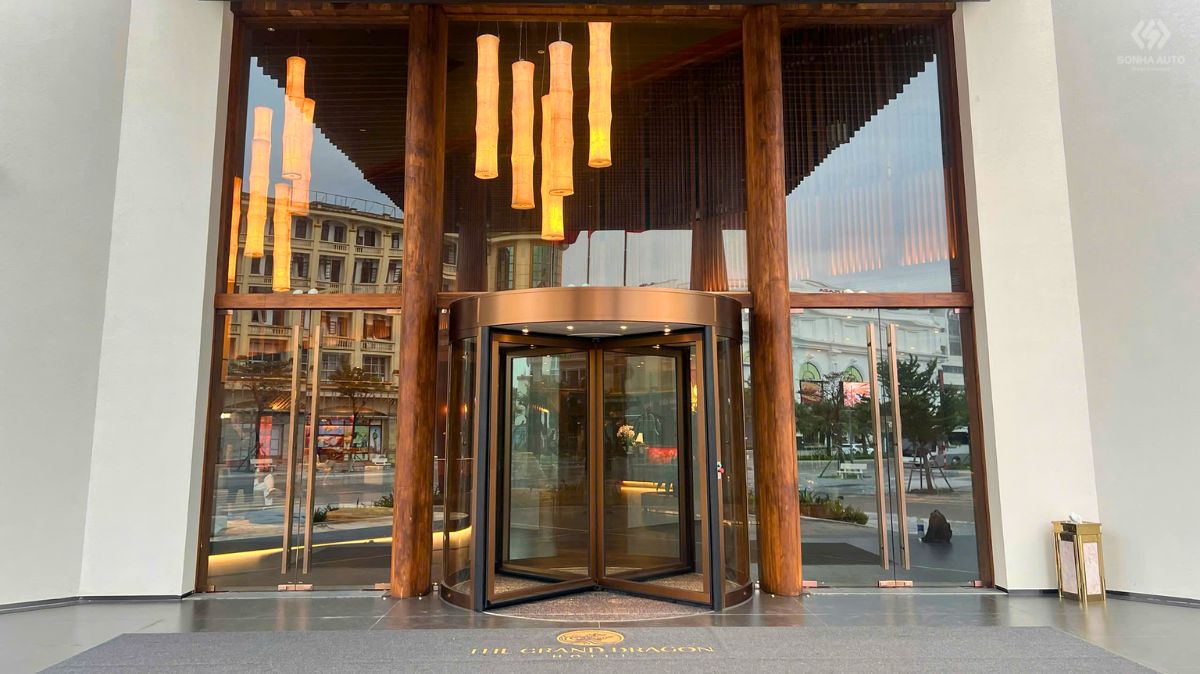
For buildings with spacious lobbies and a strong focus on architectural design, automatic revolving doors can also be considered. Their design creates a distinctive entrance feature and supports pedestrian flow while limiting direct air exchange between the interior and exterior.

Shopping malls and retail stores
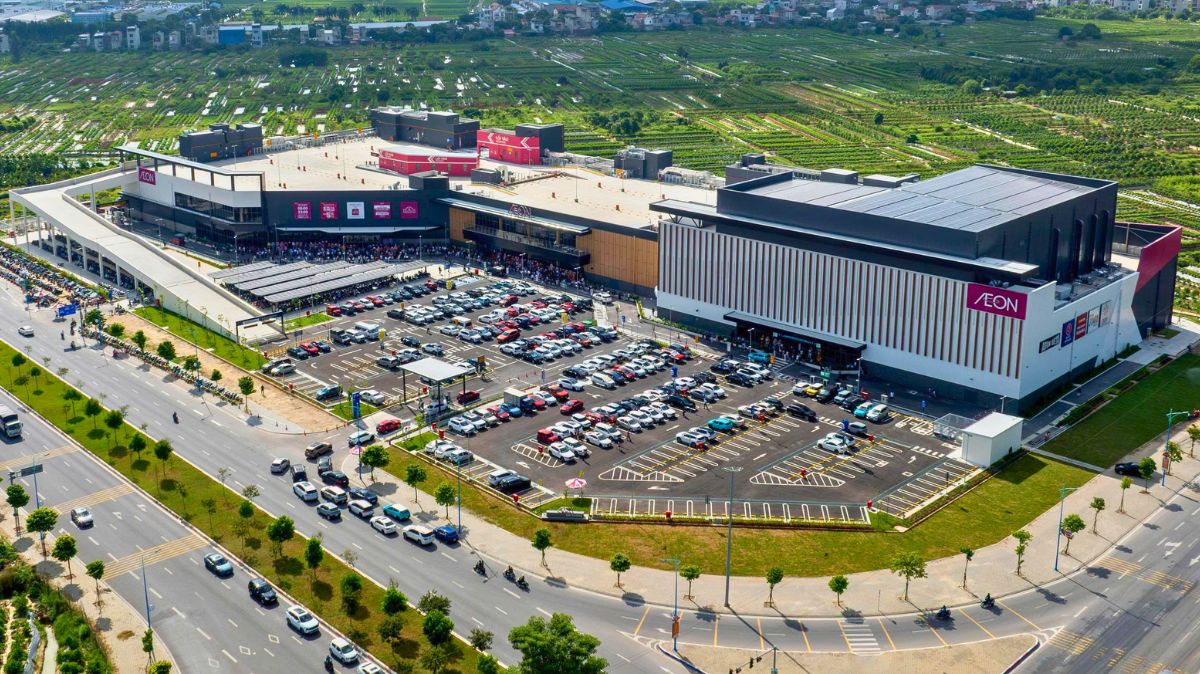
Shopping malls and retail stores typically experience high entrance and exit frequency, especially during peak hours. Therefore, the entrance solution needs to support frequent operation and provide convenient passage for users.
Depending on the floor layout and entrance design, sliding doors or automatic revolving doors can be selected. For locations operating continuously, factors such as opening and closing frequency, door speed, sensor coverage, and safety devices should be considered when selecting the appropriate configuration.

Hotels
For hotels, the entrance is one of the first areas that creates an impression on guests. Therefore, the door solution needs to balance operational performance, ease of access, and the architectural requirements of the lobby.
Automatic revolving doors can be suitable for buildings with spacious lobbies and a strong focus on appearance. Meanwhile, automatic sliding doors are often suitable for entrances where space optimization and direct pedestrian flow are required.
Selecting the door materials, dimensions, design, and automatic door equipment from the design stage helps ensure that the system is consistent with the overall architecture of the building.
Hospitals
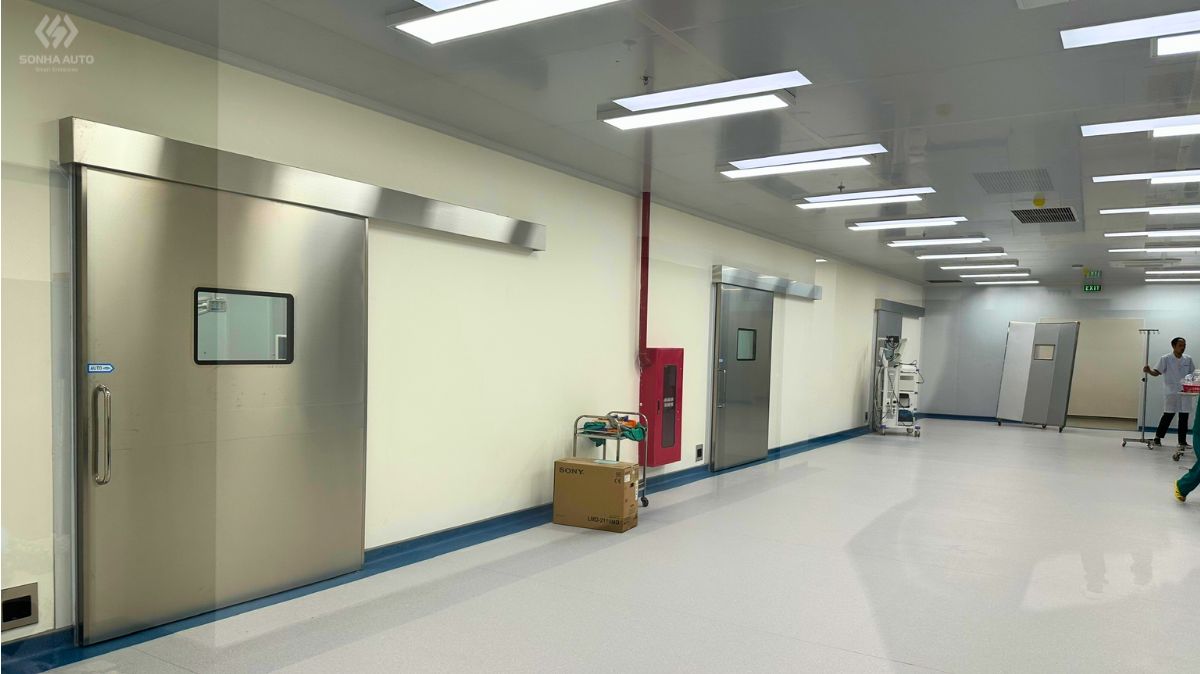
Hospitals contain many areas with different usage requirements, from main entrances and corridors to functional rooms and specialized areas. Users are also diverse, including patients, medical staff, and personnel transporting equipment.
Therefore, automatic doors for hospitals should be selected based on the function of each area. Main entrances may prioritize accessibility and traffic flow, while certain specialized areas may require environmental control solutions or door configurations suited to specific operating conditions.
Hands-free opening and closing can also be useful in locations where direct contact with door surfaces needs to be minimized. However, sensors, operating speed, and control methods still need to be determined according to the specific requirements of each area.
Factories and industrial facilities
In factories, doors may serve employees, carts, equipment, and goods at the same time. Some locations also need to operate continuously across multiple shifts, resulting in a higher opening and closing frequency than in many conventional buildings.
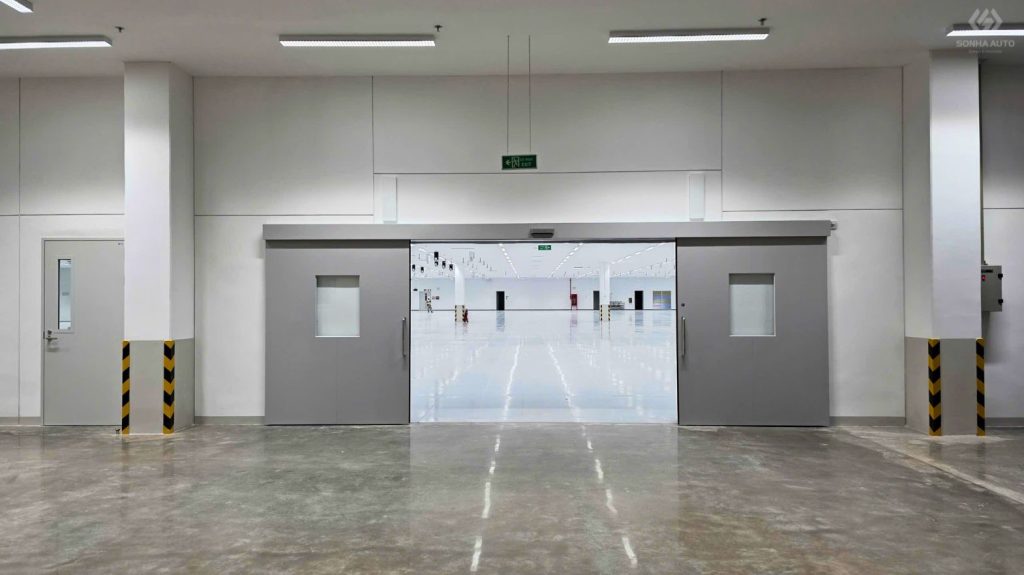
Therefore, factory door solutions need to be calculated based on entrance dimensions, door leaf load, usage frequency, environmental conditions, and the vehicles or equipment that frequently pass through. For locations with large or heavy door leaves, heavy-duty automatic sliding doors combined with an operator capable of meeting the required load and operating conditions may be necessary.
Technology and how to choose modern automatic doors
An automatic door system consists of multiple components working together. The motor generates movement for the door leaves through the drive system, while the controller receives signals from sensors and manages the opening and closing process.
The activation sensor detects people or objects within the operating area and sends a signal to open the door. During operation, the safety sensor monitors the movement area, helping reduce the risk of the door leaves coming into contact with people or objects. Depending on requirements, the system can also integrate electric locks, push buttons, or access control devices.
Therefore, selecting automatic doors for modern buildings should not be based solely on appearance or motor capacity. Factors such as door dimensions and weight, pedestrian traffic, opening and closing frequency, installation space, environmental conditions, and safety requirements all need to be evaluated before selecting the appropriate solution.
Based on these requirements, a building can choose from various configurations such as sliding doors, bi-parting sliding doors, revolving doors, swing doors, telescopic sliding doors, or specialized door systems. Each type has its own operating characteristics, so the appropriate solution is one that meets the specific requirements of each location.
Automatic door safety sensors help reduce the risk of collisions
NABCO – Automatic door solutions for various types of buildings
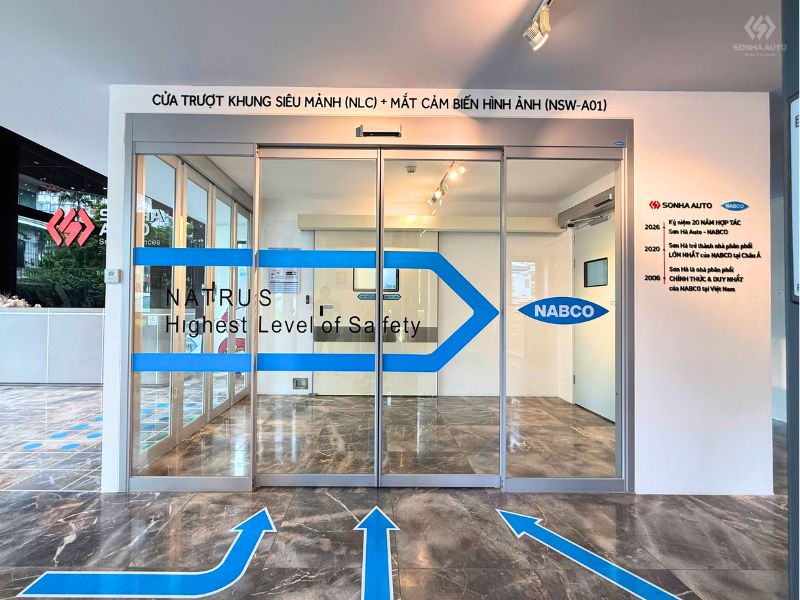
NABCO is a Japanese automatic door brand that develops solutions for various types of buildings and usage requirements. NABCO’s product portfolio includes sliding doors, revolving doors, and various specialized door systems, suitable for different requirements in terms of dimensions, load, traffic volume, and operating conditions.
Instead of applying one configuration to every location, NABCO door solutions are selected according to the function and actual conditions of each area. The system can combine motors, controllers, safety sensors, electric locks, and other functional devices to create an integrated door solution.
As an authorized partner for NABCO automatic doors in Vietnam, Sonha Auto provides consultation and implements solutions based on on-site surveys. The technical team evaluates the structure, dimensions, load, traffic volume, and operating conditions to select the appropriate door type and equipment configuration. In addition to supplying and installing automatic doors, Sonha Auto also provides maintenance, repair, and component replacement services throughout the system’s operation. This provides a foundation for buildings to obtain a suitable door solution from equipment selection through operation and maintenance.
>>> See more: When should you use an automatic revolving door? How to choose the right revolving door for each project
Conclusion
Automatic doors for modern buildings not only provide convenience when entering and exiting but also meet requirements for aesthetics, accessibility, safety, and building access control. From offices, hotels, and shopping malls to hospitals and factories, each area requires a different door solution based on traffic volume, dimensions, load, and operating conditions. Selecting the right door type and equipment configuration from the beginning provides a foundation for stable operation and consistency with the building’s architecture.
If you are looking for an automatic door solution or need advice on an entrance automation plan, contact Sonha Auto for an on-site survey and a suitable NABCO configuration based on the specific requirements of your building.