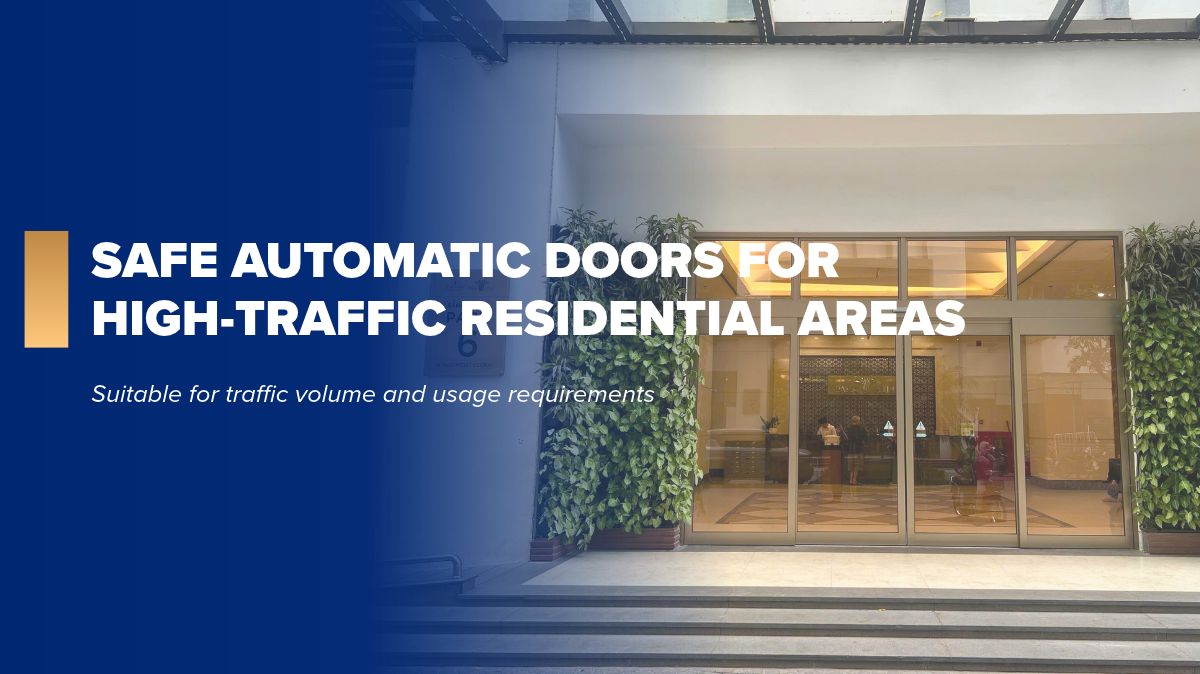
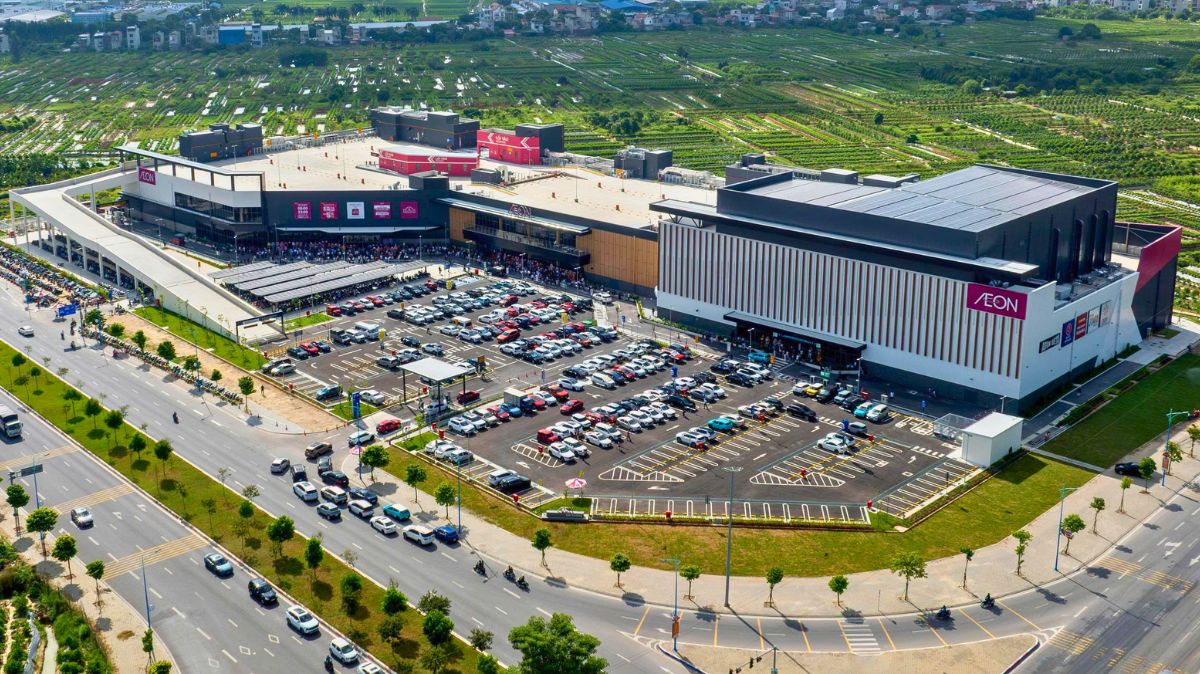
In apartment buildings, high-end residential complexes, and densely populated residential areas, the main lobby is subject to heavy pedestrian traffic. The entrance system must operate continuously while ensuring the safety of residents. Therefore, safe automatic doors for high-traffic residential areas require not only durability but also careful consideration based on actual traffic volume, door leaf load, clear opening dimensions, and the operating conditions of each project.
Why do high-traffic residential areas need suitable automatic doors?
Apartment building lobbies often experience very high pedestrian traffic, especially during peak hours. Users include various groups with specific needs, such as young children, elderly residents, people carrying luggage, and those using strollers or wheelchairs. If the door configuration is not compatible with the actual traffic volume, the system may experience inconsistent opening and closing, inaccurate sensor responses, and premature wear or interruptions in mechanical components.
Therefore, safe automatic doors for high-traffic residential areas should be selected based on actual operating requirements rather than focusing solely on aesthetics or initial cost.
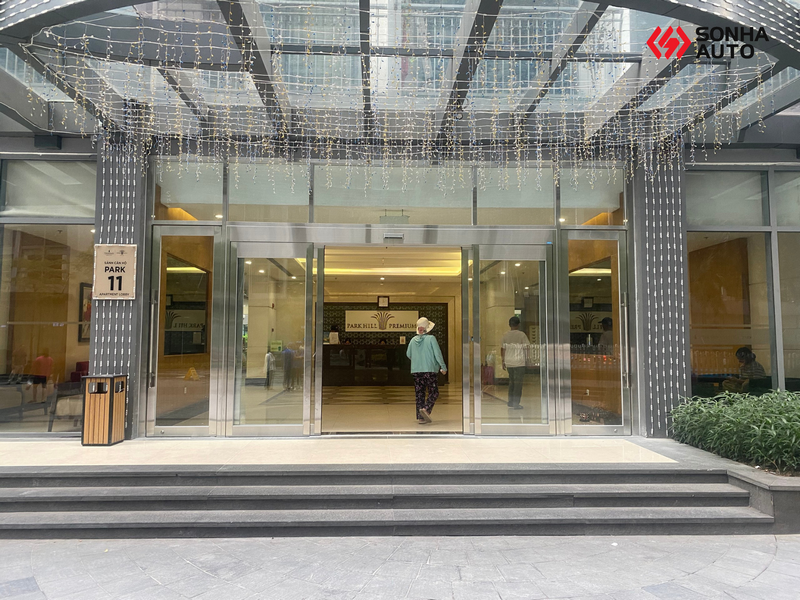
What criteria should safe automatic doors for high-traffic residential areas meet?
There is no single automatic door configuration that is suitable for every apartment building. To make the right choice, developers and building management teams should evaluate pedestrian traffic, opening and closing frequency, door dimensions and leaf weight, sensor requirements, safety requirements, and actual operating conditions.
Suitable for traffic volume and usage frequency
This is one of the most important criteria when choosing automatic doors for apartment buildings. The average daily pedestrian volume and peak-hour traffic should be accurately assessed. For lobby areas with heavy traffic, the operator must be capable of handling a high opening and closing frequency while maintaining smooth and reliable operation.
Doors should not be selected based solely on entrance dimensions. Two buildings with entrances of the same size may require different door configurations if their traffic volumes differ.

Sensors must detect people accurately
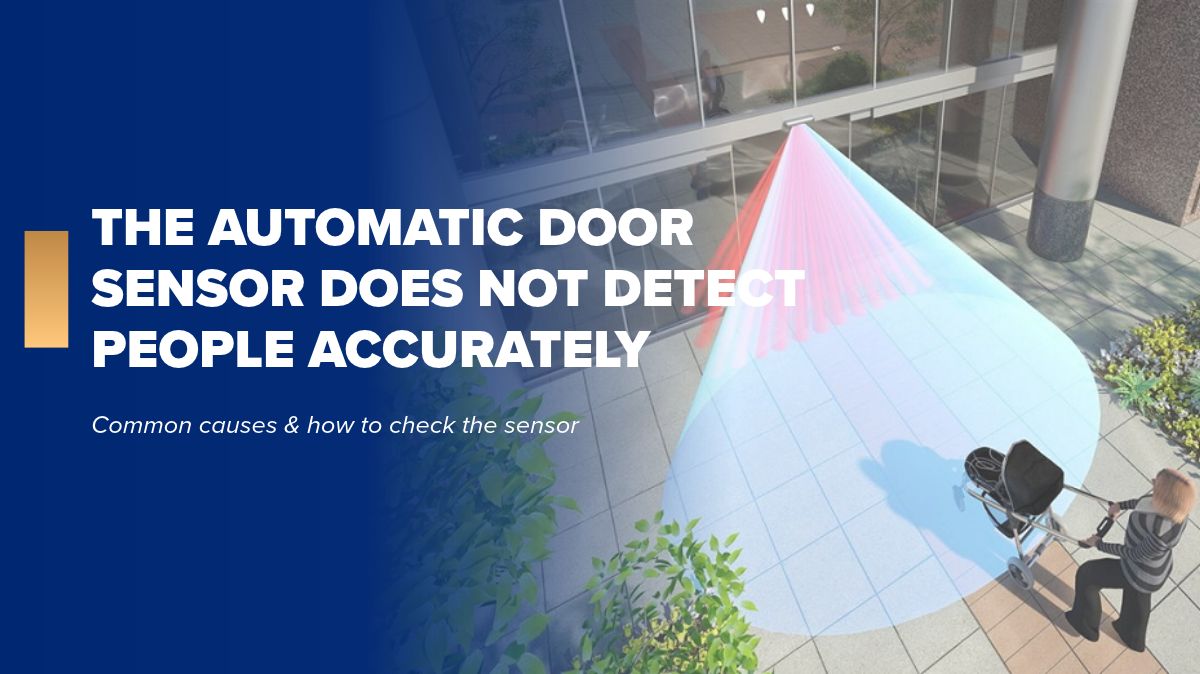
Sensors are one of the key components of safe automatic doors for high-traffic residential areas. In apartment building lobbies, sensors need to detect approaching people and support door opening and closing at the appropriate time. Accurate detection helps reduce situations where the door closes while a person is still passing through or repeatedly activates because someone is simply walking across the sensor detection area.
Today, specialized automatic door sensors such as the NABCO NSW-A01 can analyze the direction and speed of movement, helping reduce unnecessary activations in areas with heavy pedestrian traffic.
NABCO NSW-A01 automatic door sensor accurately detects people passing through
Opening and closing speed must be appropriate
A door that opens too slowly can cause congestion in the lobby during peak hours, while a door that operates too quickly may increase the risk of collisions. Opening and closing speed should be technically adjusted according to the door leaf dimensions and traffic volume: fast enough to maintain smooth pedestrian flow while maintaining a high level of safety.
Door load must be compatible with the operator
Dimensions are only one factor. The actual weight of the glass door leaf, frame material, and operating frequency determine the load requirements and service life of the motor. When selecting safe automatic doors for high-traffic residential areas, the operator must have a suitable load capacity for the actual door leaf weight and usage frequency. The configuration should not be selected close to its maximum rated load, particularly for doors that operate continuously throughout the day.
Integrate solutions for expanding the passageway in emergencies
In high-end residential complexes with large lobbies, the door system should provide not only standard automatic operation but also consider emergency evacuation requirements or the movement of large-sized goods.
For lobbies that require a wider clear opening when pedestrian traffic increases, an automatic telescopic sliding door with an integrated Breakout function can be considered. When the mechanism is activated, the door leaves can swing outward to both sides, creating a wider passageway than during normal operation. Depending on the design and requirements of the project, this function can be useful when increased traffic flow or a wider passageway is required in special situations.
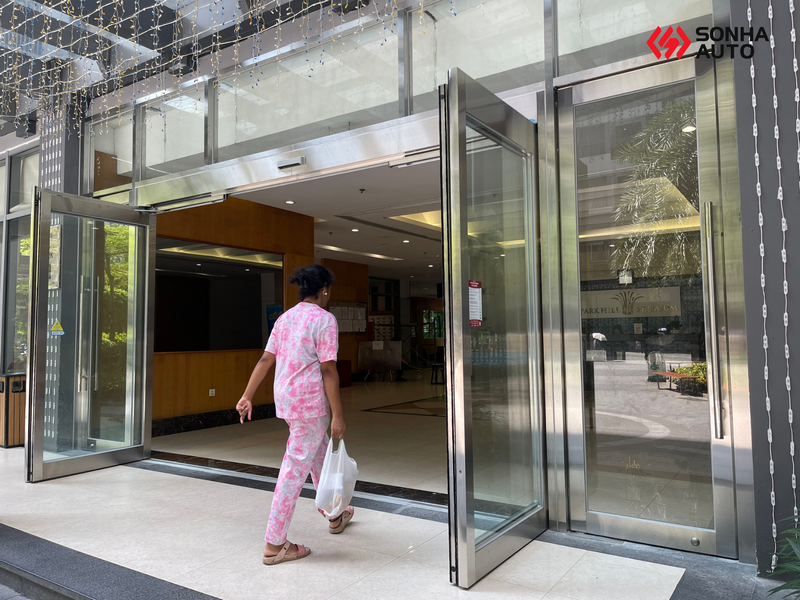
NABCO automatic sliding doors – An optimal choice for apartment building lobbies
Automatic sliding doors are a leading solution when choosing safe automatic doors for high-traffic residential areas, thanks to their space-saving sliding mechanism, which allows the door leaves to move neatly to both sides while maintaining continuous pedestrian flow. Depending on traffic volume, entrance dimensions, and operating requirements, options include 2-leaf sliding doors, 4-leaf sliding doors, telescopic sliding doors, or automatic sliding doors with an integrated Breakout function.
As the official distributor of the NABCO brand in Vietnam, Sonha Auto provides integrated door solutions including operators, motors, sensors, and safety devices, configured according to the characteristics of each project.
Vinhomes Times City is an example showing why door configurations should be selected based on actual traffic patterns and operating requirements rather than entrance dimensions alone. At several buildings in the Park Hill subdivision, including Park 1, Park 3, Park 5, Park 6, and Park 11, Sonha Auto installed NABCO GT-1175 automatic sliding doors with Breakout function, suitable for lobby areas with high pedestrian traffic and requiring the ability to expand the clear opening when necessary.
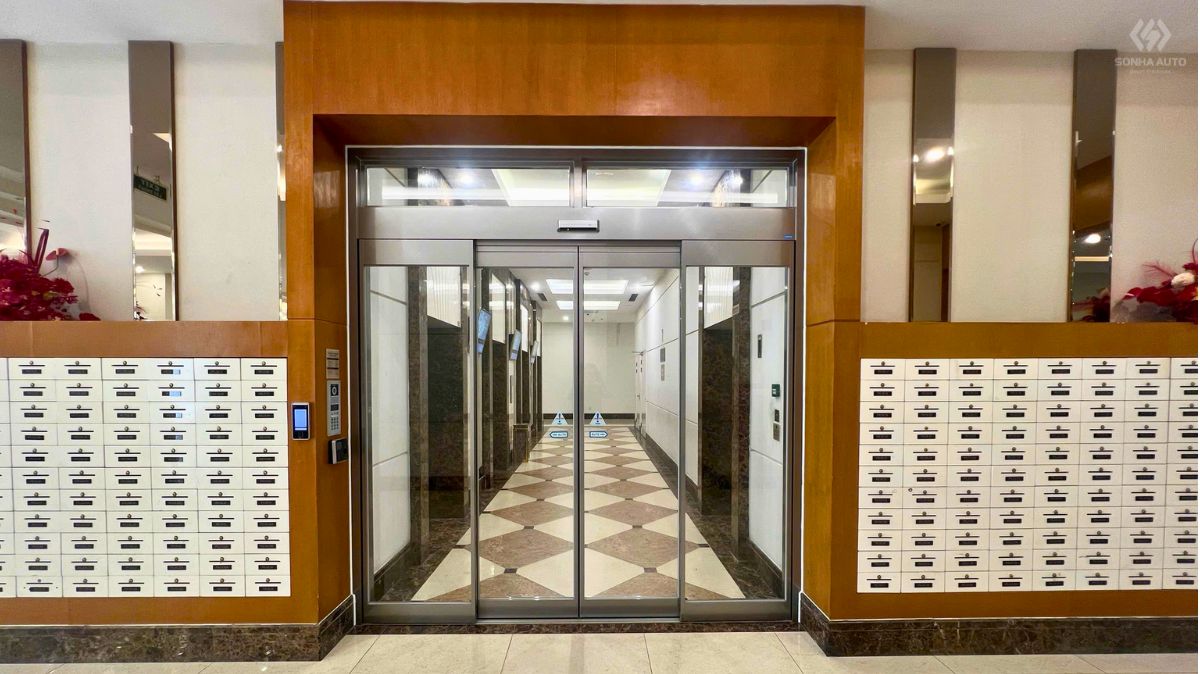
The system is combined with the NABCO NSW-A01 sensor, which can analyze the direction and speed of movement to help control opening and closing in areas with heavy pedestrian traffic. In some internal lobby areas, the system is also integrated with access control according to the project’s requirements.
This example shows that selecting automatic doors for apartment buildings should begin with traffic volume, operating frequency, and safety requirements before determining the appropriate door type, load capacity, and additional features.
Notes on automatic door operation and maintenance
Even an automatic door system that has been properly specified from a technical perspective still needs to be operated correctly and maintained regularly:
- Regularly check safety devices: Safety sensors, anti-pinch sensors, and emergency stop buttons should be tested periodically to ensure an immediate response when an obstruction is detected.
- Clean sensors and the drive system: Regularly cleaning dust and dirt from sensors, guide rails, and rollers helps maintain smooth door operation and prevent unintended opening or closing.
- Address abnormal signs immediately: Inspect the system as soon as the door starts opening or closing slowly, produces unusual noises, or shows poor sensor detection to prevent the issue from developing into damage to the control system and other components.

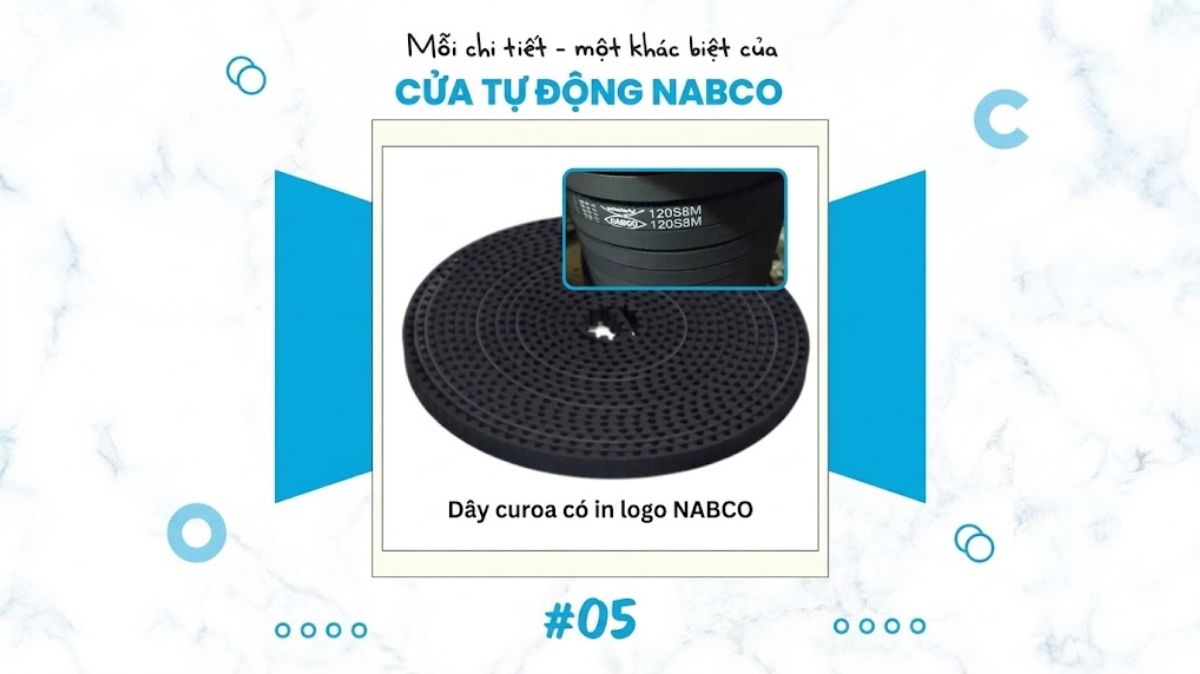
>>> See more: What makes NABCO automatic doors different from conventional automatic doors? An analysis from technology to operation
Conclusion
Choosing safe automatic doors for high-traffic residential areas should begin with actual traffic volume and operating conditions, followed by the selection of the appropriate door type, load capacity, sensors, and safety features. Sonha Auto currently provides NABCO automatic door solutions for various apartment building projects, including projects at Vinhomes Times City. Conducting a site survey before selecting the configuration helps ensure that the system is better suited to the usage requirements and operating conditions of each project.