In tropical, humid climates like Vietnam characterized by high temperatures, high humidity, and harsh operating environments selecting the right materials for automatic doors not only affects durability but also directly determines long-term operational performance. In reality, automatic sliding door systems operate at high frequency, constantly exposed to dust, moisture, friction, and heavy loads. This is where polyurethane in automatic doors is applied as an optimal material solution, thanks to its excellent wear resistance, load-bearing capacity, and adaptability to real-world operating conditions. So how is polyurethane in automatic doors structured, and what advantages does it bring to rollers in practical operation? All will be clarified by Sonha Auto in the content below.
Technical characteristics of polyurethane and its applications
What is polyurethane?
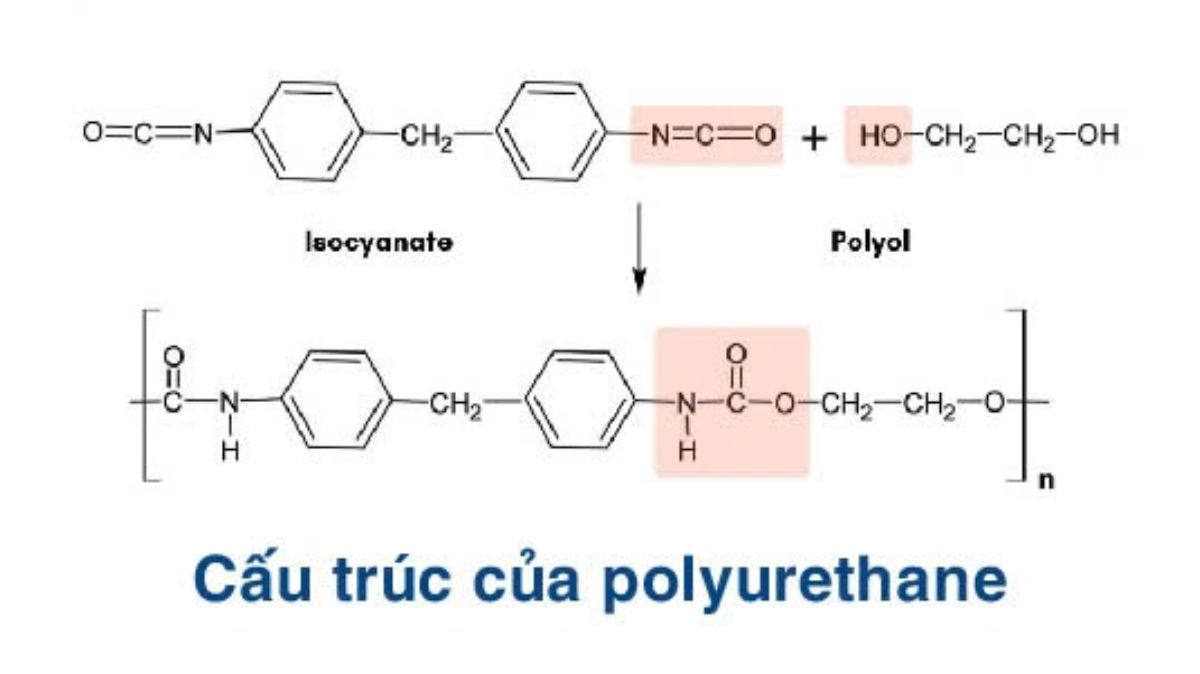
Polyurethane (PU) is a polymer with a unique molecular structure, known for its exceptional abrasion resistance. It is commonly used as a protective coating material for surfaces. Notably, polyurethane offers significantly better wear resistance than many types of rubber and even some metals.
In addition, polyurethane is resistant to oil, grease, fats, and organic solvents. It also has superior pressure resistance compared to conventional rubber, making it an ideal material for manufacturing heavy-duty wheels, couplings, and shock-absorbing components.
Polyurethane does not tear easily during use, with tear strength ranging from approximately 500–100 lbs/inch—much higher than most rubber materials. It also withstands environmental factors such as oxidation, sunlight, ozone, and harsh weather conditions. With excellent electrical insulation, elasticity, and impact resistance, polyurethane is widely used for cable insulation as well.
Thanks to these properties, polyurethane is extensively applied in industrial applications such as heavy-duty wheels, couplings, protective coatings, and especially automatic door components.
Application of polyurethane in automatic door rollers
In sliding door systems, the roller is the component that directly bears the load and determines smoothness, stability, and overall system lifespan. This is also where polyurethane in automatic doors demonstrates its effectiveness most clearly.
The polyurethane layer coated around the roller helps reduce friction when in contact with the track, thereby minimizing noise and ensuring smoother opening and closing motion. At the same time, its elasticity absorbs impact forces, reduces vibration, and protects related mechanical components.
Moreover, with outstanding wear resistance, polyurethane rollers maintain stable performance over long periods even under continuous, high-frequency operation. This significantly improves sliding door durability and reduces maintenance costs in real-world applications.
NABCO rollers – optimizing performance from material to design
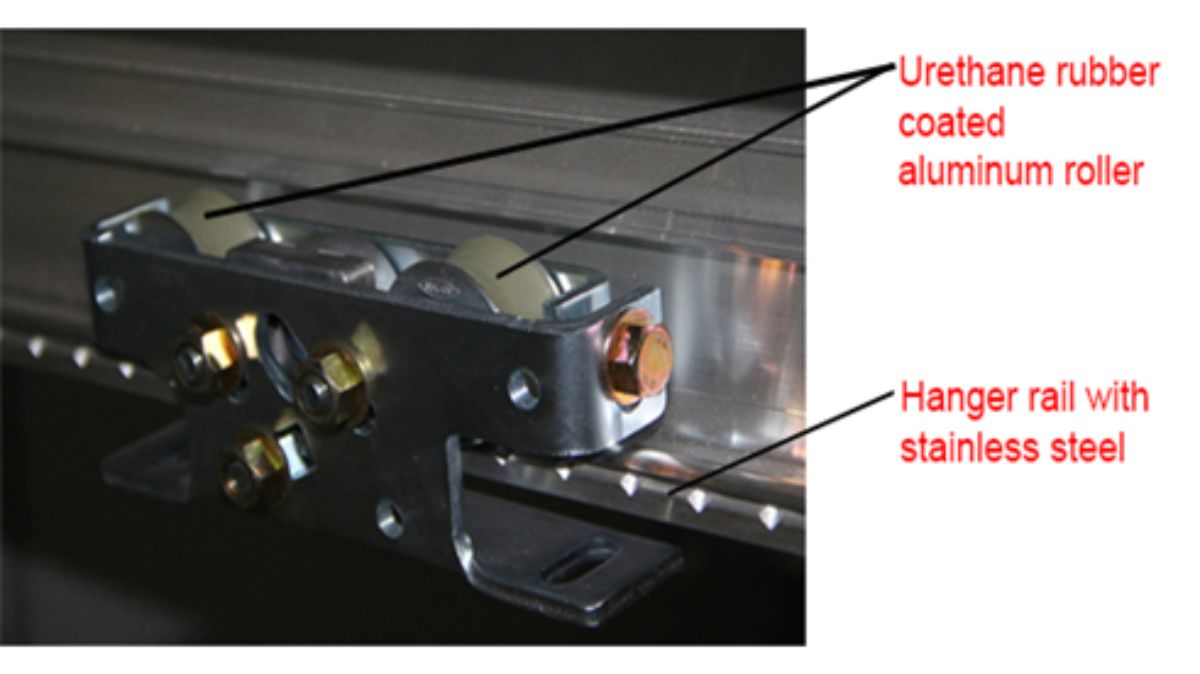
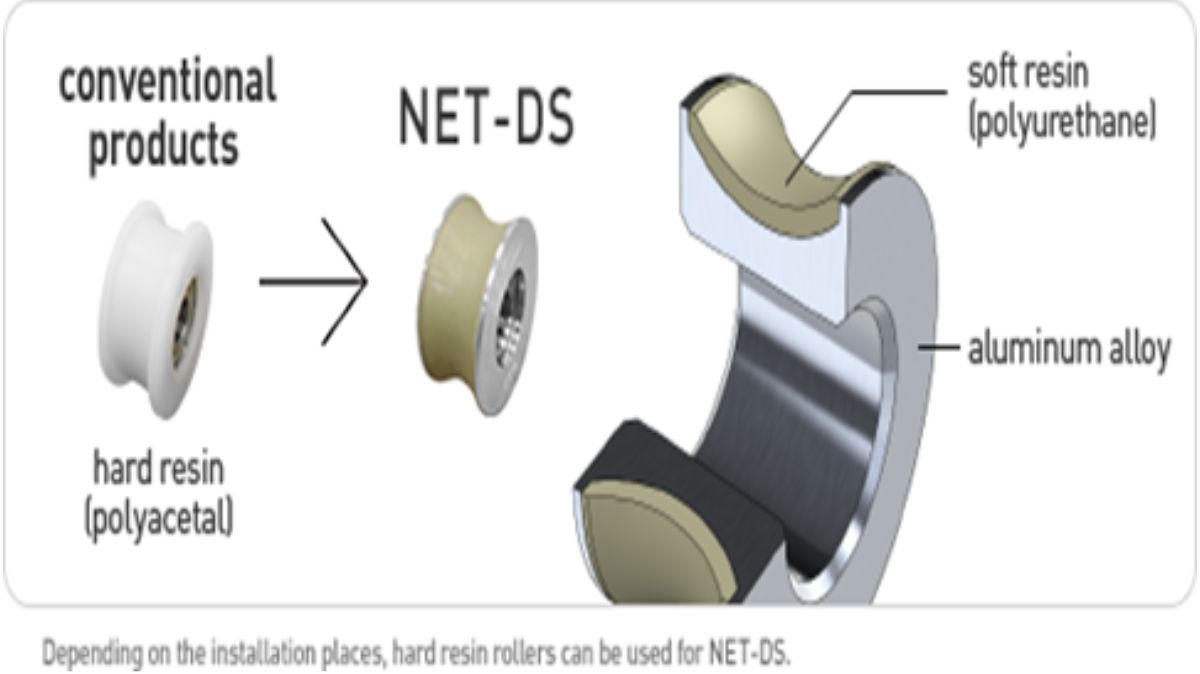
Roller structure: Combination of metal core and polyurethane
In high-end door systems, NABCO does not rely on a single material but optimizes from the mechanical structure of the roller itself. Each roller is designed with a load-bearing metal core combined with a high-quality polyurethane outer layer.
This structure balances load capacity and elasticity, ensuring the roller is rigid enough for stable operation while flexible enough to absorb vibrations during movement.
Polyurethane in automatic doors reduces friction and noise
One of the key advantages of NABCO rollers comes from the application of polyurethane in automatic doors at the contact surface with the track.
Thanks to its elasticity and high abrasion resistance, this material reduces friction during operation, minimizing noise and delivering smoother motion compared to traditional materials such as rubber or hard plastics.
This is particularly important in environments requiring quietness, such as hospitals or premium buildings.
Maintaining durability and stability in continuous operation
In high-traffic environments, rollers are often the first components to degrade if materials are not up to standard. However, with its excellent wear resistance and deformation resistance, polyurethane in automatic doors enables NABCO rollers to maintain stable performance over time.
Even under continuous operation, the material retains its shape and elasticity, preventing vibration, misalignment, or abnormal wear. As a result, the door system operates durably without affecting user experience.
Synchronization with tracks and drive systems for optimal performance
The advantage of NABCO sliding doors lies not only in material selection but also in precision engineering and installation. Each roller and wheel is synchronized with the track and motor system, ensuring smooth movement and reduced resistance.
This integration optimizes overall performance, reduces motor load, and minimizes mechanical wear—thereby extending the lifespan of the entire system.
Operational benefits of using polyurethane in automatic doors
The application of polyurethane brings not only material-level improvements but also clear operational advantages. First, its high wear resistance increases the lifespan of automatic door components, especially rollers the primary load-bearing part. This allows the system to maintain stable performance over time without frequent replacement.
Additionally, the material’s elasticity significantly reduces noise during operation, which is crucial in quiet environments such as hospitals or high-end office buildings. Door movement becomes smoother, minimizing vibration and providing a noticeably “soft” operation experience.
Another key benefit is reduced wear between rollers and tracks. With controlled friction, mechanical components experience less degradation, lowering maintenance costs and extending the system’s lifecycle. This delivers clear long-term economic efficiency for investors.
As modern buildings increasingly demand higher performance and durability, selecting optimized solutions from materials to design is essential. Thanks to the combination of precise mechanical structure and polyurethane in automatic doors, NABCO rollers have proven their ability to meet the most demanding operational requirements.

>>> See more: How many kilograms can an automatic door track support? How to choose NABCO doors for high-traffic projects
Conclusion
In modern automatic sliding door systems, polyurethane in automatic doors is not just a technical material but a core factor determining durability, smoothness, and operational performance. Choosing the right material combined with optimized design solutions like NABCO helps enhance efficiency, reduce operating costs, and ensure long-term stability.
Contact Sonha Auto for consultation on NABCO automatic door solutions with high-quality components, ensuring durable and optimized performance for every project.