In the operation of modern buildings, it is not uncommon to encounter the issue of slow automatic door response, which disrupts user experience and affects traffic flow at entrances. Many assume the cause lies in the door mechanism; however, in reality, this issue mainly originates from the sensor system—a critical factor that determines detection and activation. When sensors operate inefficiently, doors may fail to detect users accurately or respond with delays in real-world situations. Therefore, instead of temporary fixes, upgrading automatic door sensors with advanced technology solutions is becoming an inevitable trend in modern buildings. In this article, Sonha Auto will help you clearly understand the causes and provide a comprehensive solution to this issue with the NATRUS smart automatic door system.
Why do automatic doors respond slowly?
In real-world operation, slow automatic door response is one of the most common automatic door issues in buildings such as office towers, shopping malls, and residential complexes. Users can easily notice situations where they stand in front of the door but it does not open immediately, or they have to move closer to activate the system. This not only causes inconvenience in user experience but also poses potential collision risks, especially in high-traffic areas.
Notably, in most cases, slow response in sliding doors does not originate from the door mechanism itself, but from a less noticeable component—the sensor. Therefore, to resolve this issue effectively, it is essential to address the root cause. When doors respond slowly, the problem typically stems from three main sensor-related factors.

Detection blind spots
Most traditional automatic doors use infrared sensors with a limited number of detection points. When detection density is low, “blind spots” appear—areas where motion cannot be detected.
This leads to situations where users stand in undetected zones, causing the system to fail to recognize them or respond slowly. This is one of the most common causes but is difficult to identify with the naked eye.
Narrow detection angle causing delayed response
In practice, users approach doors from multiple directions, not just a fixed path. However, many traditional sensors have a narrow detection range, leading to delayed activation. As a result, the system only responds when users are very close, significantly increasing the occurrence of slow automatic door response in high-traffic environments.

Sensor degradation over time
Sensors are electronic devices that gradually lose sensitivity over time. Even without obvious external damage, their detection capability declines, especially for children or slow-moving individuals.
If not replaced or upgraded in time, this can lead to serious operational failures, directly impacting safety and user experience.
NATRUS automatic door solution to completely resolve slow response
To address these issues comprehensively, NABCO has developed the NATRUS automatic door solution, featuring a synchronized sensor and control system that enhances detection accuracy and ensures safe operation.
Unlike conventional systems, NATRUS sliding doors are designed in compliance with the Japanese safety standard JIS A 4722, which sets strict requirements for reliability and user protection.

Eliminating blind spots with high-density sensors
One of the key advantages of the NATRUS system is its significantly higher density of infrared detection points compared to conventional sensors.
This enables accurate detection across multiple positions, almost completely eliminating blind spots—the primary cause of delayed door response.

Accurate detection with timely door activation
Beyond expanding detection coverage, NATRUS is optimized for real-time recognition. The system detects movement earlier, allowing doors to open promptly as users approach.
At the same time, the door will not close if someone remains within the detection zone, ensuring maximum safety during operation.
Automatic safety check before each operation
A key differentiator of NATRUS is its ability to perform a system self-check before every opening/closing cycle.
This mechanism ensures sensors are functioning correctly before operation, minimizing risks and enhancing overall system reliability.
Compliance with Japanese safety standard JIS A 4722
NATRUS is developed in accordance with JIS A 4722, one of the most stringent safety standards for automatic doors in Japan. This ensures not only precise operation but also full compliance with user safety requirements in all situations.
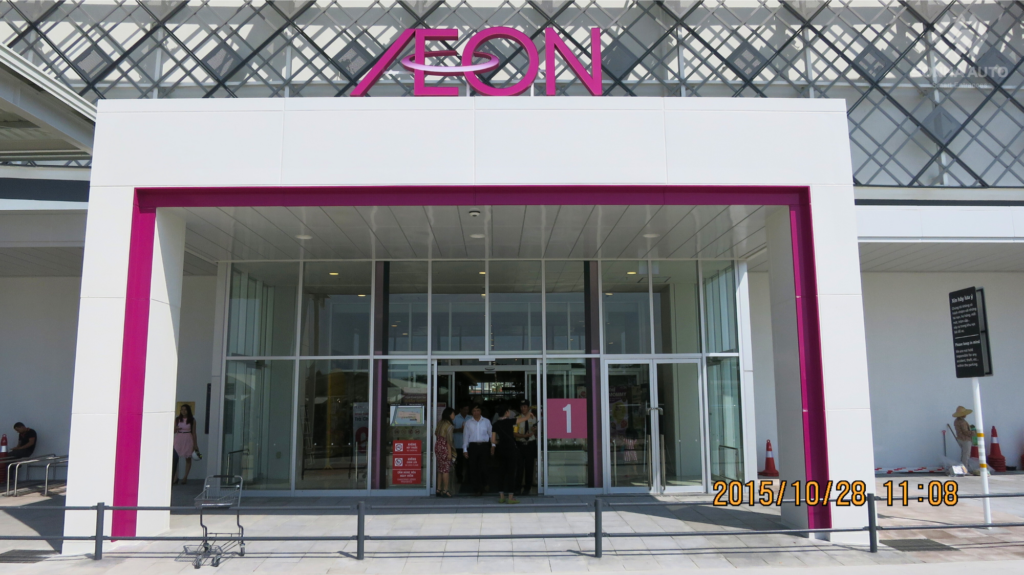
Sonha Auto – Leading NABCO solution provider in Asia
To effectively resolve operational issues such as slow automatic door response, selecting the right technology must go hand in hand with strong implementation capability. A door system can only operate reliably when it is properly configured, installed to technical standards, and maintained systematically.
With over 20 years of strategic partnership with NABCO—Japan’s leading automatic door brand—Sonha Auto is currently the largest NABCO distributor in Asia, providing genuine products and continuously updating advanced technologies to optimize operational efficiency.
Over the years, Sonha Auto has implemented hundreds of projects both domestically and internationally, including airports, hospitals, shopping malls, and high-end residential complexes. This hands-on experience enables the company to understand the specific requirements of each project and deliver tailored solutions, minimizing common issues such as slow response caused by sensors or suboptimal configurations, while ensuring long-term safety and stability.
Beyond product supply, Sonha Auto offers a comprehensive solution ecosystem—from consulting and design to installation and maintenance. Its technical team, trained to Japanese standards, along with genuine components, ensures stable performance, extended equipment lifespan, and compliance with strict safety standards, giving investors peace of mind throughout operation.

>>> See more: When should automatic door components be replaced? A durable operation solution tailored to Vietnam’s climate
Conclusion
The issue of slow automatic door response is not merely an isolated operational fault but a clear indication that the sensor system has degraded or is no longer suitable for actual usage demands. If not properly addressed, it can directly impact user experience and pose risks to safety and overall operational efficiency.
The NATRUS smart automatic door solution provides a root-cause approach, improving detection accuracy, enhancing response speed, and ensuring long-term safety standards. Contact Sonha Auto for consultation on upgrading automatic door sensors and implementing genuine NABCO solutions, ensuring stable, durable, and optimized system performance over time.