In an automatic door system, the motor is not merely an operating component but the “heart” that determines the stability and lifespan of the entire system. When the motor performs well, the door operates smoothly, accurately, and durably over time. Conversely, when the motor degrades, the entire system can quickly develop faults, affecting user experience as well as operating costs. Therefore, the question how long does an automatic door motor last and how to extend its durability is always a top concern for investors, facility managers, and users. The article below will help you understand the motor lifecycle, influencing factors, and optimal solutions to maintain long-term operational performance.
How long does an automatic door motor last?
Motor lifespan based on technical standards
From a technical perspective, the lifespan of an automatic door motor is typically evaluated based on the number of opening/closing cycles. On average, a high-quality motor can achieve between 1 to 3 million cycles, equivalent to approximately 5–10 years of operation under normal conditions. However, this figure is not fixed. In reality, motor lifespan depends on several factors such as usage frequency, door weight, and the quality of accompanying automatic door components.
In particular, modern brushless automatic door motors offer reduced mechanical friction, thereby significantly extending lifespan compared to traditional motors. This is why high-end door systems in airports, hospitals, and Grade A buildings often prioritize this type of motor.

Motor lifespan in different operating environments
Not all automatic glass door systems operate under the same conditions. In practice, the lifespan of an automatic door motor varies significantly depending on the installation environment:
- Office: moderate usage → stable lifespan
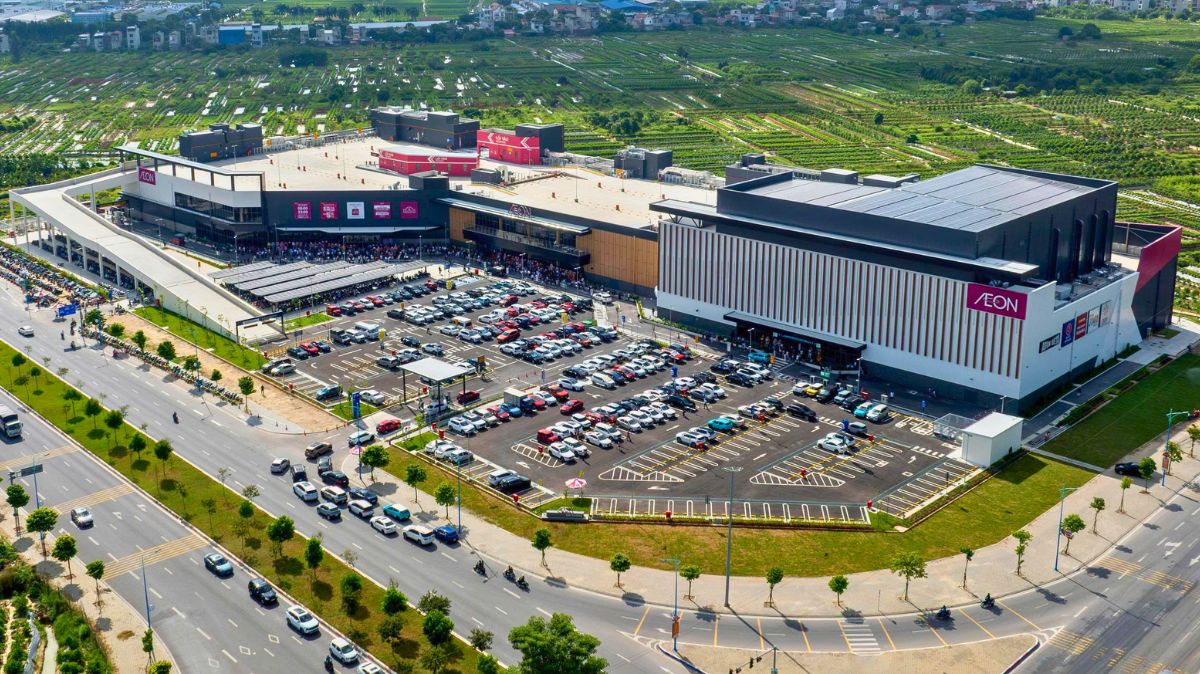
- Shopping mall: high traffic → faster wear
- Hospital, airport: continuous operation → requires high-capacity motors
This highlights the importance of selecting the right motor and door configuration from the beginning to optimize equipment lifecycle.
Factors affecting the lifespan of an automatic door motor
Opening/closing frequency and door weight
The most obvious factor affecting motor lifespan is operational frequency. The more frequently a door opens and closes each day, the harder the motor has to work, leading to faster wear.
In addition, door weight is also critical. Heavier doors require greater pulling force, which can reduce motor lifespan if not properly matched with motor capacity.
Quality of automatic door components and parts
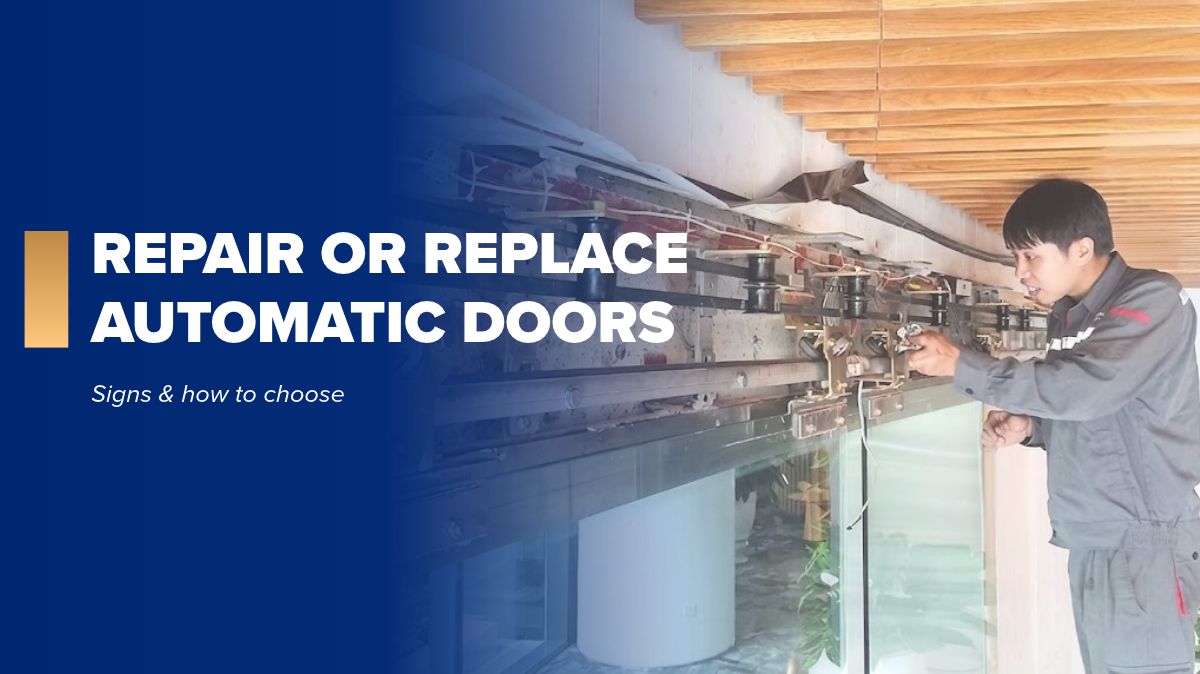
The motor does not operate independently; it relies heavily on components such as tracks, rollers, and belts. If these parts are substandard or worn, friction increases, forcing the motor to work harder.
In many cases, failure to inspect and replace automatic door parts in time is the main reason motors degrade quickly, even when the motor itself is still functional.

Installation environment conditions
Environmental factors also significantly impact motor lifespan. Conditions such as dust, high humidity, or frequent temperature fluctuations can affect performance.
Additionally, unstable power supply can lead to overload or reduced efficiency, shortening the motor’s lifecycle.
Technical setup and adjustment
An improperly configured automatic door system can cause the motor to operate outside optimal conditions. For example:
- Opening/closing speed set too high
- Improper pulling force
- Sensors misconfigured, causing unnecessary cycles
Though seemingly minor, these factors can significantly affect motor lifespan over time.
Signs that an automatic door motor is failing
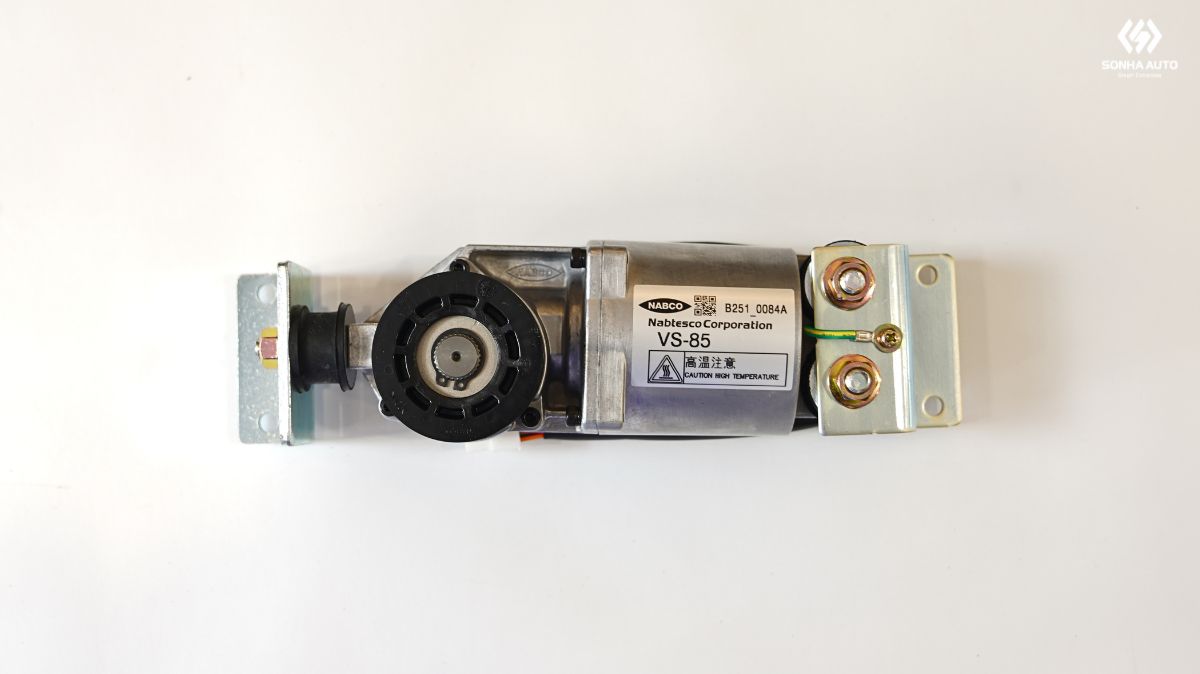
During operation, motors rarely fail suddenly; they usually show warning signs in advance. Early detection allows for proactive maintenance or replacement, preventing operational disruption.
Common signs include:
- Slow or unstable door movement
- Unusual noise during operation
- Incomplete opening/closing
- Motor overheating quickly
When these signs appear, the entire door system, including related components, should be inspected to identify the root cause.
How to extend the lifespan of an automatic door motor
Periodic automatic door maintenance
One of the most effective ways to extend motor lifespan is regular maintenance. Inspection and cleaning help detect issues early and minimize wear.
Key components to check include:
- Track
- Rollers
- Belt
- Sensors
Use genuine automatic door components
Using genuine components ensures system synchronization, reducing friction and improving performance. In contrast, substandard parts can overload the motor and significantly shorten its lifespan.
Optimize operational settings
A properly configured system allows the motor to operate under optimal conditions. Key considerations include:
- Adjust appropriate opening/closing speed
- Avoid unnecessary door openings
- Optimize sensor sensitivity to reduce operation cycles
A stable power supply and accurate control system help the motor operate more efficiently. This is often overlooked but has a significant impact on durability.

When should you replace an automatic door motor?
Cases where replacement is recommended
Even with regular maintenance, motors have a finite lifespan. To ensure safety and avoid disruptions, consider replacement in the following cases:
- Motor has been used for an extended period
- Performance has significantly decreased
- Repair costs are high
Repair or replacement?
In practice, repairs may reduce short-term costs. However, if repair costs are high and results are uncertain, replacing components or installing a new motor is often a more effective long-term solution.
Solutions for maintenance and motor replacement
To ensure stable operation and extend motor lifespan, choosing a qualified technical service provider is crucial. Even high-quality motors require periodic inspection, calibration, and maintenance.
In reality, many issues originate not from the motor itself but from components such as tracks, rollers, or belts. If not addressed promptly, these issues increase motor load and shorten its lifespan. Therefore, the optimal approach is not just repair but comprehensive system maintenance.
In Vietnam, Sonha Auto provides automatic door maintenance, repair, and component replacement services for high-demand projects such as offices, hospitals, shopping malls, and airports. The service follows a structured technical process:
- Comprehensive system inspection and accurate assessment of motor and components
- Operational calibration (speed, force, sensors) to reduce motor load
- Replacement with genuine automatic door components when necessary
- Periodic maintenance to detect and prevent potential failures
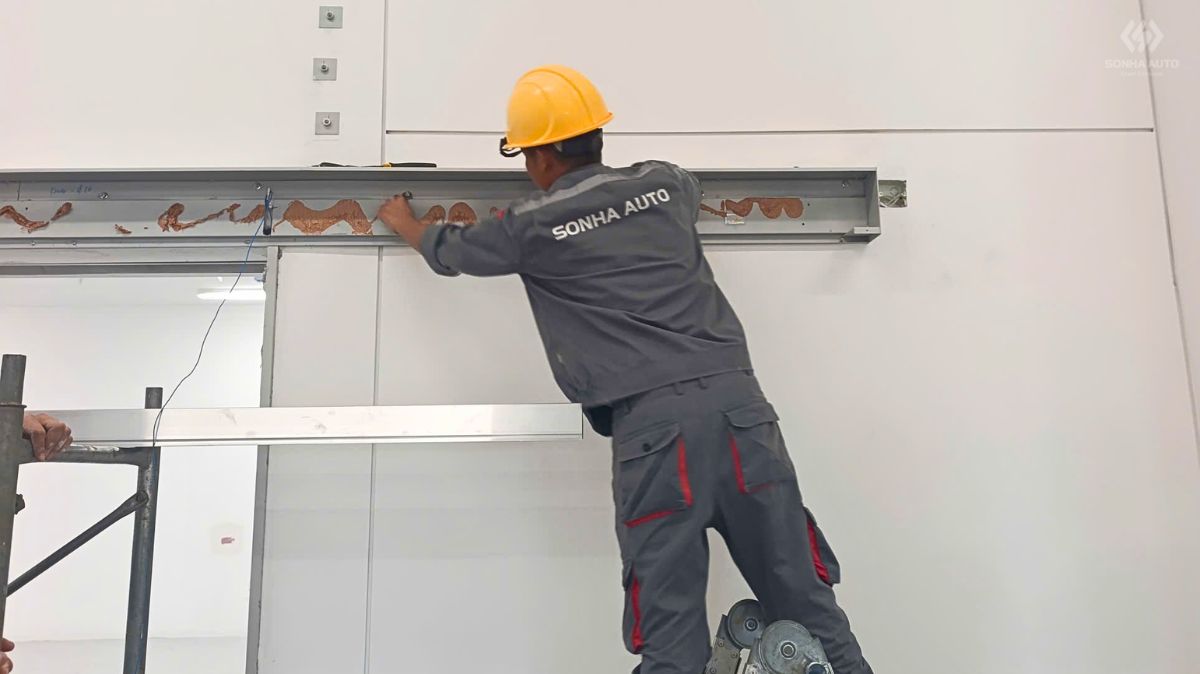
Proper technical maintenance not only helps extend the lifespan of an automatic door motor but also ensures the system operates smoothly and stably over time. At the same time, major repair costs can be minimized through early detection and timely resolution of potential issues. Especially for door systems that have been in operation for many years or operate in high-traffic environments, proactive inspection and periodic maintenance are essential to maintaining operational efficiency and optimizing long-term costs.
>>> See morre: What is an automatic door belt? Signs of failure and solutions for stable operation
Conclusion
As analyzed above, the question how long does an automatic door motor last is not merely conceptual but directly related to the performance and durability of the entire system. Motor lifespan depends not only on product quality but also on environmental conditions, usage frequency, and maintenance practices. When properly designed, equipped with synchronized components, and regularly maintained, a motor can operate reliably for many years. Conversely, neglecting these factors leads to rapid system degradation and unnecessary costs. Therefore, investing in proper maintenance and operation from the beginning is essential to ensure long-term stability and efficiency of the automatic door system.